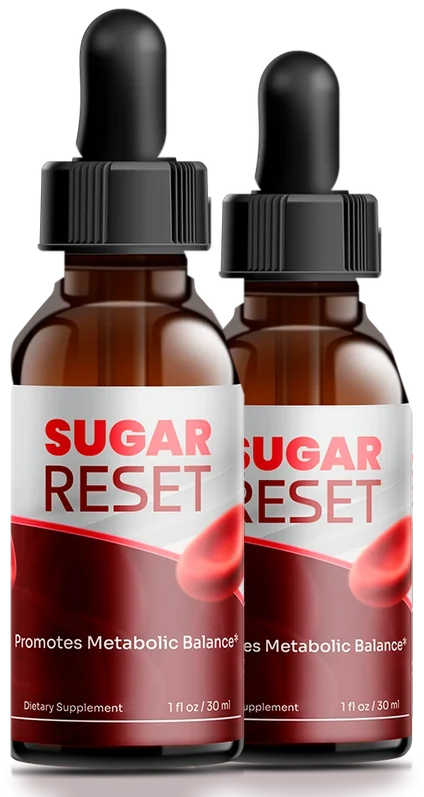
Chromium at 0.7 mcg is the only ingredient in Sugar Reset with a printed amount. The label shows it as chromium picolinate, 2 percent of the Daily Value, and it sits outside the 200 mg blend of 22 other items, which have no amounts.
The number is small, and it is easy to read too much into it. This page explains what the figure is, how the 2 percent is worked out, what the NIH says about chromium and why a printed number for one ingredient does not tell you what the rest of the drops contain.
What does 0.7 mcg of chromium mean?
It means 0.7 micrograms of chromium in each 1 ml serving, supplied as chromium picolinate. A microgram is a thousandth of a milligram, so 0.7 mcg is a very small quantity.
The label lists it above the blend, with a Daily Value of 2 percent. Our arithmetic from that percentage suggests a reference of about 35 mcg, which matches the highest adequate intake the NIH gives for adults. That is our working, not a label statement. If a full dropper is about 1 ml, one dropper a day supplies 0.7 mcg, and two supply about 1.4 mcg. The label does not say how much a dropper holds. Our chromium page explains the ingredient in full.
| Figure | Value |
|---|---|
| Chromium per 1 ml serving | 0.7 mcg |
| Daily Value shown on the label | 2% |
| Adequate intake, men 19 to 50 | 35 mcg |
| Adequate intake, women 19 to 50 | 25 mcg |
How does it compare with the NIH adequate intakes?
It is far below them. The NIH lists adequate intakes set in 2001 of 35 mcg for men 19 to 50, 25 mcg for women 19 to 50, 30 mcg for men over 50 and 20 mcg for women over 50.[1]
The same source says scientists no longer think chromium is necessary for good health, and that deficiency has not been reported in healthy people. So the drops do not supply an amount that anyone needs to reach, and the printed figure is not a reason to buy. It is simply a number on a label. The point of putting it side by side with the intakes is to keep it in proportion: the chromium here is a small part of what the NIH discusses, and the rest of the product is a blend with no printed shares.
What does the NIH say about chromium and blood sugar?
That studies are mixed.[1] The NIH adds that the American Diabetes Association does not recommend chromium supplements for diabetes. NCCIH says a 2022 review found chromium may improve some measures, but that most supplement evidence is weak or inconsistent.[2]
- Studies on blood sugar are mixed.
- The American Diabetes Association does not recommend it for diabetes.
- Most supplement evidence for type 2 diabetes is weak or inconsistent.
- The doses in studies are not the doses on this label.
We make no claim that the drops affect blood sugar. The label's only claim is "Promotes Metabolic Balance*", with the FDA statement, and the sales page claims we do not repeat.
Does chromium matter for medicines?
Yes. The NIH says chromium taken with insulin, metformin or other diabetes medicines might cause low blood sugar, and that it might reduce absorption of levothyroxine, a thyroid medicine.[1]
People with kidney or liver disease should be careful with high amounts, says the same source, and NCCIH notes rare kidney, liver, muscle and skin problems with large doses. The amount here is small, but the amount is not the only point; the combination with other ingredients and your medicines is. If you use any of those medicines, ask your care team before starting. Our and metformin post covers the diabetes medicine question.
What about weight claims for chromium?
The NIH weight fact sheet says chromium has a minimal effect on weight and that headache, nausea and digestive upset are possible.[3] We make no weight claim for the drops.
The sales page makes claims about weight that the bottle does not make, and we do not repeat them. A product that lists chromium is not thereby a weight product, and a printed amount does not make it one. If weight is a concern for you, ask your doctor about approaches with better evidence. That is a better use of a consultation than a supplement whose blend has no printed shares.
Is a printed amount enough to judge the product?
No. One printed amount covers 1 of 23 named ingredients, and 200 mg of the blend is shared among 22 items with no split. You still cannot say how much of any one of them you take.
Federal rules let a blend list only its total weight, with ingredients in order of weight.[4] So maca root extract, listed first, is the largest share and L-carnitine, listed last, the smallest, but neither has a number. If an amount matters to you, ask the order desk for the lab report behind the label, and ask in writing. Our supplement facts page lists the whole panel.
Frequently asked questions
How much chromium is in Sugar Reset?
0.7 mcg per 1 ml serving, as chromium picolinate, which the label shows as 2 percent of the Daily Value.
Is 0.7 mcg of chromium a lot?
No. It is far below the NIH adequate intakes of 20 to 35 mcg, and chromium is no longer thought necessary for good health.
Does 0.7 mcg of chromium affect blood sugar?
We cannot say. NIH finds the evidence mixed, and chromium with diabetes medicines might cause low blood sugar.
Why is only chromium listed with an amount in Sugar Reset?
The blend lists only its 200 mg total, which federal labeling rules allow, so the 22 blend items have no printed shares.
Medical review: Dr. Andres Palacio, MD, Endocrinologist. Name and designation supplied by the site owner; not independently verified. Safety lines also cite NIH, FDA, MedlinePlus and FTC pages. How review works.
Sources
- NIH Office of Dietary Supplements: Chromium: Fact Sheet for Consumers. ods.od.nih.gov
- NCCIH: Diabetes and Dietary Supplements. www.nccih.nih.gov
- NIH Office of Dietary Supplements: Dietary Supplements for Weight Loss (health professional fact sheet). ods.od.nih.gov
- FDA: Dietary Supplement Labeling Guide: Chapter IV, Nutrition Labeling. www.fda.gov
Safety: Sugar Reset Drops is a dietary supplement, not a medicine, and not a diabetes medicine. Follow your bottle's label: 1 or 2 droppers a day, with 1 ml as one serving. Never stop or change insulin or any diabetes medicine on your own; chromium, gymnema and ginseng may add to them and cause low blood sugar. The blend includes caffeine sources (guarana, green tea) and grapefruit extract, which can matter with some medicines. Green tea extract has been linked to liver injury: stop and call a doctor if you notice dark urine, yellow skin or eyes, or upper belly pain. The liquid contains xylitol, which is dangerous for dogs. Not for pregnancy, nursing or anyone under 18; ask your doctor first if you take any medicine or have a heart, blood pressure, kidney, liver or thyroid condition.
This site is an independent information site, not the manufacturer of Sugar Reset Drops. We may earn from order links on this site; order links are marked sponsored. *These statements have not been evaluated by the Food and Drug Administration. This product is not intended to diagnose, treat, cure or prevent any disease. Page updated November 26, 2026.