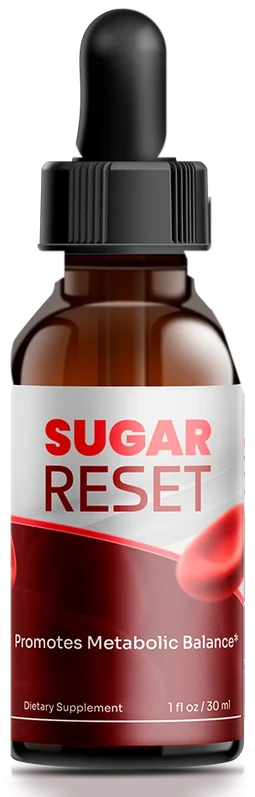
What does the Sugar Reset Supplement Facts panel say?
It says the serving size is 1 ml and there are 30 servings per container. Per serving, it lists chromium (as chromium picolinate) at 0.7 mcg, 2% of the Daily Value, and a proprietary blend of 200 mg with 22 named ingredients, marked "Daily Value not established".
Below the panel, the label lists the other ingredients and prints the FDA statement and the line "This product has been manufactured in an FDA registered facility." That is the full panel as it appears on the label image supplied with the seller's assets. The panel on your own bottle is the final word, and it should match the one below line for line.
† Daily Value not established (as printed). Numbers 1 to 22 show the order on the label; blends must list ingredients from most to least by weight, so maca is the largest share and L-carnitine the smallest, but no single amount is given. Other ingredients: glycerin, water, organic lemon extract, stevia extract 97% (Reb A), xylitol, sodium benzoate, potassium sorbate, citric acid and natural flavors. The label image came with the seller's assets; the panel on your own bottle is the final word.
What does "Serving Size: 1 ml" mean?
It means the panel's amounts are for 1 ml of liquid. The suggested use says "Take 1 or 2 droppers full daily", so a day's dose is one or two servings if one full dropper holds 1 ml.
The label does not say how much one dropper holds. Many 30 ml dropper bottles hold about 1 ml per full dropper, but we could not confirm this one. If you take two droppers, double every amount on the panel. Our dropper math page explains how to measure your dropper and how long a bottle lasts.
| Panel line | As printed | What it tells you |
|---|---|---|
| Serving size | 1 ml | Amounts are per 1 ml |
| Servings per container | 30 | A 30 ml bottle |
| Chromium | 0.7 mcg, 2% DV | The only single amount |
| Proprietary blend | 200 mg, † | Total of 22 items |
| † note | Daily Value not established | No reference amount exists |
| * note | Based on a 2,000 calorie diet | Standard footnote |
What does "Chromium 0.7 mcg, 2%" mean?
It means each 1 ml serving contains 0.7 micrograms of chromium, which the label says is 2% of the Daily Value. A microgram is a millionth of a gram, so this is a very small amount.
NIH's Office of Dietary Supplements gives adult adequate intakes of 20 to 35 mcg a day, depending on age and sex, and says many people get chromium from food.[1] The 2% figure on the label is consistent with that. Two droppers would give 1.4 mcg, still about 4% of the Daily Value. Chromium is the ingredient the sales page leads with, and it is the only one whose amount you can check. Our chromium page explains what that amount means.
What does "Proprietary Blend 200 mg" mean?
It means 22 ingredients together weigh 200 mg per 1 ml serving, and the label does not say how much of each. The dagger symbol means no Daily Value is established for the blend.
Federal labeling rules allow a proprietary blend to list only its total weight, as long as the ingredients inside it are listed in order from most to least by weight.[2] So maca, listed first, is the largest share, and L-carnitine, last, the smallest. An even split would be about 9 mg each, but the split is not even and is not printed. Our blend page explains what that order can and cannot tell you.
Which ingredients are in the blend?
In label order: maca root extract, grape seed extract, guarana seed extract, African mango seed extract, eleutherococcus root extract, astragalus root extract, green tea leaf extract, gymnema leaf extract, coleus forskohlii root extract, capsicum fruit extract and grapefruit fruit extract.
Then: Panax ginseng aerial extract, raspberry ketones, L-glutamine, L-tyrosine, L-arginine base, beta-alanine, monoammonium glycyrrhizinate, GABA, L-ornithine HCl, L-tryptophan (spelled "L-Typtophan" on the label) and L-carnitine base. Several carry cautions in our sources, from caffeine in guarana and green tea to medicine interactions with grapefruit and eleuthero. Our ingredients page lists what the sources say about each.
- 13 plant extracts or plant compounds.
- 8 amino acids or related compounds.
- 1 licorice compound (monoammonium glycyrrhizinate).
- No amount for any of them.
What are the other ingredients?
Glycerin, water, organic lemon extract, stevia extract 97% (Reb A), xylitol, sodium benzoate, potassium sorbate, citric acid and natural flavors. These make up the liquid that carries the actives.
Glycerin and water are the base; stevia and xylitol sweeten it; lemon and natural flavors give it a taste; sodium benzoate and potassium sorbate preserve it; citric acid adjusts its acidity. Xylitol matters for pet owners, because the FDA warns it can poison dogs.[3] Our liquid base page explains each one.
What does the panel not tell you?
It does not tell you the amount of any blend ingredient, the caffeine per serving, the strength of any extract, the volume of one dropper or where each ingredient came from.
Those gaps matter. Without the caffeine amount, you cannot add up your daily caffeine. Without the green tea extract amount, you cannot compare it with the doses in liver case reports. Without the gymnema and ginseng amounts, a pharmacist cannot judge how much they might add to a diabetes medicine. The seller's notes say a certificate of analysis exists for the batch; ask the seller for it in writing.
| Missing from the panel | Why it matters |
|---|---|
| Amount of each blend ingredient | Dose and interactions cannot be judged |
| Caffeine per serving | Daily caffeine cannot be counted |
| Extract strength | Two extracts of the same plant can differ |
| Dropper volume | Supply and dose depend on it |
| Allergen statement | Allergy sufferers must ask |
What does the FDA statement on the label mean?
It says the statements have not been evaluated by the FDA and that the product is "not intended to diagnose, treat, cure, or prevent any disease". It applies to the front claim, "Promotes Metabolic Balance*".
The FDA explains that a supplement making a structure or function claim must carry this statement, and may not claim to deal with a disease.[4] The FDA also does not approve dietary supplements before they are sold. So the panel is the maker's own declaration of what is in the bottle, not a government check.
What does "FDA registered facility" mean on the panel?
It means the manufacturing facility is registered with the FDA, which is a notice, not an approval. Federal rules say a registration number does not convey FDA approval or endorsement of a facility or its products.
The line tells you at most where the bottle was made. It says nothing about the quality of the batch or whether the product suits you. Our label claims page explains this and the seller's badges.
Why is the chromium outside the blend?
Probably because a mineral with an established Daily Value has to be listed with its amount and percentage, while botanicals and amino acids without a Daily Value can be grouped in a blend. That is how the FDA's panel format works.
The effect is that the one ingredient with a printed amount is also the one with the smallest dose. Chromium at 0.7 mcg sits above a 200 mg blend, and a quick glance at the panel might suggest chromium is a main ingredient. By weight, it is a tiny fraction: 0.7 mcg is 0.0007 mg, against 200 mg for the blend. Reading the panel carefully shows that the product is mostly the blend, and mostly maca, grape seed and guarana at that.
| Item | Amount per 1 ml | In milligrams |
|---|---|---|
| Chromium | 0.7 mcg | 0.0007 mg |
| Proprietary blend | 200 mg | 200 mg |
| Liquid base | Not stated | Most of the 1 ml |
How does the panel compare with the sales page?
The panel lists 23 named actives; the sales page highlights six. The panel prints chromium's amount; the sales page prints no amounts at all. The panel makes one claim with the FDA asterisk; the sales page makes many claims without one.
That is a pattern worth knowing. The panel is the document the maker is responsible for, and it is more modest and more complete than the marketing. When the two differ, read the panel. The sales page's blood sugar, insulin and weight claims are not on the bottle, and we do not repeat them.
Does the panel follow the federal format?
As far as we can see from the image, yes: it shows a serving size, servings per container, an amount per serving column, a percent Daily Value column, a proprietary blend with its total weight and the required footnotes. We are not regulators, and we cannot check how the panel was prepared.
The FDA's labeling guide sets out the format for Supplement Facts panels, including how blends are shown. A panel in the right format can still leave a buyer with too little information, as this one does for the blend. Format is about consistency, not about how much is disclosed. Our label claims page covers the claims and badges around the panel.
How do I compare my bottle with this panel?
Read the panel on your bottle line by line against the table and the list above. The serving size, servings, chromium amount, blend total, the order of the 22 blend items and the other ingredients should all match.
If any line differs, it is a different formula or a different product, whatever the name on the front. Do not take it, and contact the seller with photos. Our bottle check page has a checklist you can tick off with the bottle in your hand.
Frequently asked questions
Does the Sugar Reset panel list calories?
No calories are listed on the panel image we read.
Why does Sugar Reset show only one amount?
The other 22 ingredients are in a proprietary blend, which may show only its total weight.
What is Reb A on the Sugar Reset label?
Rebaudioside A, a sweet compound from the stevia plant. The label lists stevia extract 97% (Reb A).
Is the Sugar Reset panel the same on every bottle?
It should be. Compare yours with ours when it arrives.
What does the asterisk on the Sugar Reset panel mean?
The panel footnote says percent Daily Values are based on a 2,000 calorie diet.
Medical review: Dr. Andres Palacio, MD, Endocrinologist. Name and designation supplied by the site owner; not independently verified. Safety lines also cite NIH, FDA, MedlinePlus and FTC pages. How review works.
Sources
- NIH Office of Dietary Supplements: Chromium: Fact Sheet for Consumers. ods.od.nih.gov
- FDA: Dietary Supplement Labeling Guide: Chapter IV, Nutrition Labeling. www.fda.gov
- FDA: Paws Off Xylitol; It's Dangerous for Dogs. www.fda.gov
- FDA: Structure/Function Claims. www.fda.gov
Safety: Sugar Reset Drops is a dietary supplement, not a medicine, and not a diabetes medicine. Follow your bottle's label: 1 or 2 droppers a day, with 1 ml as one serving. Never stop or change insulin or any diabetes medicine on your own; chromium, gymnema and ginseng may add to them and cause low blood sugar. The blend includes caffeine sources (guarana, green tea) and grapefruit extract, which can matter with some medicines. Green tea extract has been linked to liver injury: stop and call a doctor if you notice dark urine, yellow skin or eyes, or upper belly pain. The liquid contains xylitol, which is dangerous for dogs. Not for pregnancy, nursing or anyone under 18; ask your doctor first if you take any medicine or have a heart, blood pressure, kidney, liver or thyroid condition.
This site is an independent information site, not the manufacturer of Sugar Reset Drops. We may earn from order links on this site; order links are marked sponsored. *These statements have not been evaluated by the Food and Drug Administration. This product is not intended to diagnose, treat, cure or prevent any disease. Page updated November 26, 2026.
Related pages
On this page
- What does the Sugar Reset Supplement Facts panel say?
- What does "Serving Size: 1 ml" mean?
- What does "Chromium 0.7 mcg, 2%" mean?
- What does "Proprietary Blend 200 mg" mean?
- Which ingredients are in the blend?
- What are the other ingredients?
- What does the panel not tell you?
- What does the FDA statement on the label mean?
- What does "FDA registered facility" mean on the panel?
- Why is the chromium outside the blend?
- How does the panel compare with the sales page?
- Does the panel follow the federal format?
- How do I compare my bottle with this panel?
- Frequently asked questions
Sugar Reset Drops packs and prices
Sugar Reset Drops are sold in 2, 3 and 6 bottle packs on the seller's secure order page. When we checked on November 26, 2026, the 2-bottle pack was $158 ($79 a bottle) plus shipping, the 3-bottle pack $207 ($69 a bottle) and the 6-bottle pack $294 ($49 a bottle), both with free US shipping.
- Smallest pack
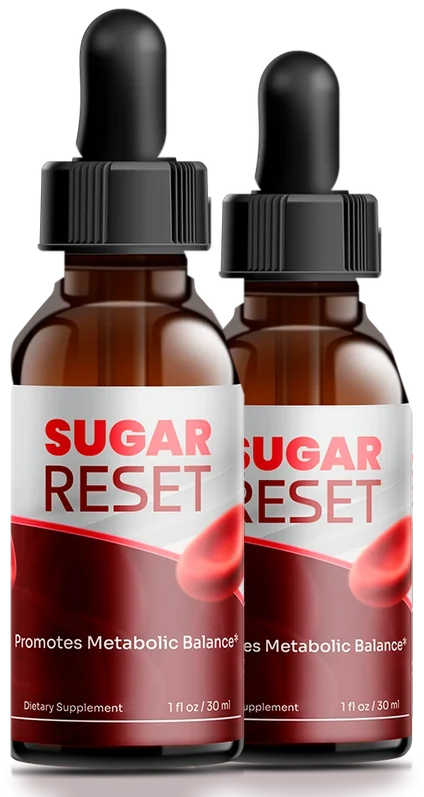
2 bottles
60 ml · 60 days at 1 ml a day, 30 at 2 ml
$79per bottle
Total $158
Plus shipping; cost shown at checkout
Order 2 bottles - Middle pack
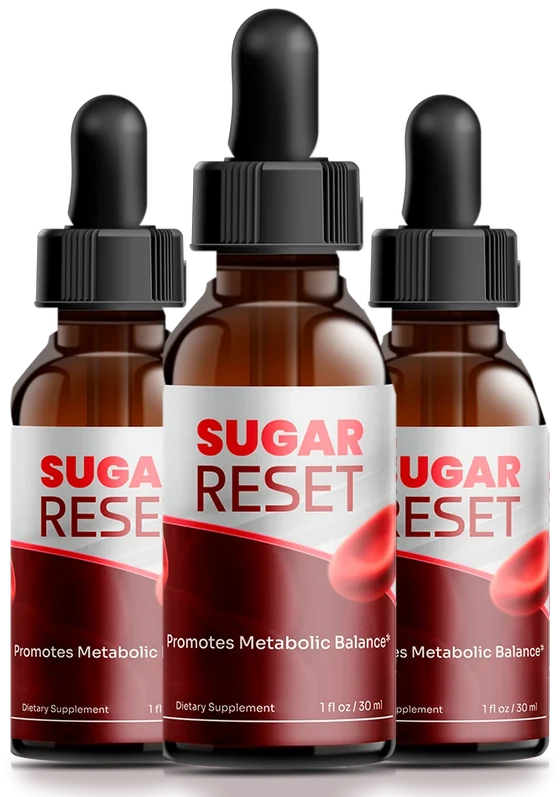
3 bottles
90 ml · 90 days at 1 ml a day, 45 at 2 ml
$69per bottle
Total $207
Free US shipping (sales page)
Order 3 bottles - Lowest price per bottle
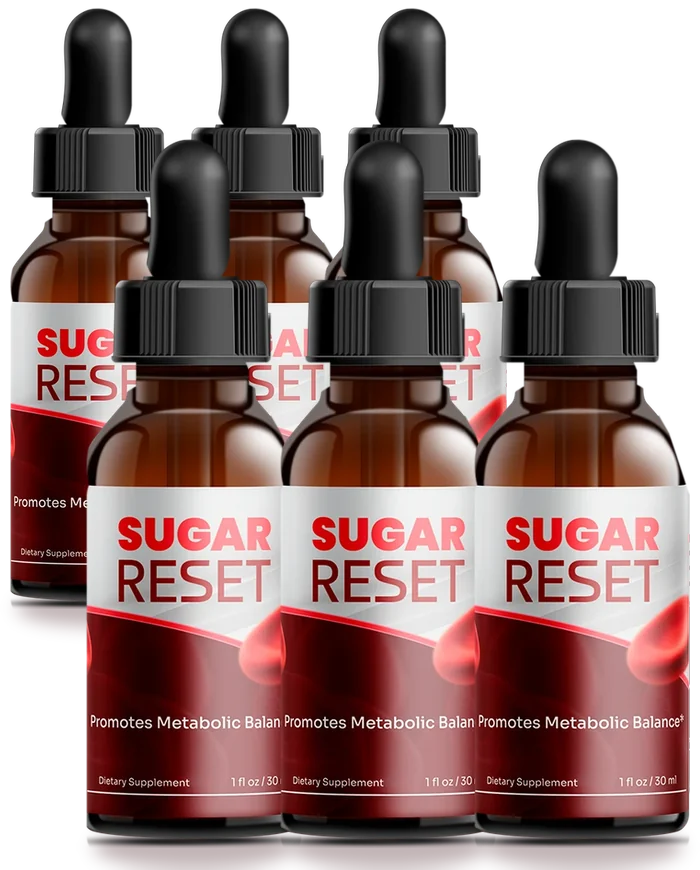
6 bottles
180 ml · 180 days at 1 ml a day, 90 at 2 ml
$49per bottle
Total $294
Free US shipping (sales page)
Order 6 bottles
- 1Pick the 2, 3 or 6 bottle pack
- 2Read the total and the shipping line on the seller's page before you pay
- 3Pay by card at the secure checkout
- 4Keep the order email: it has the order ID and tracking
 “Good Manufacturing Practice · GMP”
 “Registered · FDA · Facility”
 “Genetically Modified Organism · GMO · Free”
 “100% Natural Ingredients”
 “Dairy Free”
 “100% Support Guaranteed”
Badges supplied by the seller, quoted as printed and unverified. None came with a certificate. A registered facility is not an FDA approval, and the "100% Natural Ingredients" seal sits beside a label that lists xylitol, sodium benzoate and potassium sorbate. What each badge would need to mean.

Prices when we checked on November 26, 2026; confirm at the live checkout. Each bottle holds 30 ml, which is 30 days at 1 ml a day or about 15 at 2 ml. Independent site: we may earn from these links. Guarantee: 60 days on the seller's sales page; read how the claim steps work.
Sugar Reset DropsFrom $49 a bottle in the 6-pack · 3 bottles $207 total · checked November 26, 2026
Order now