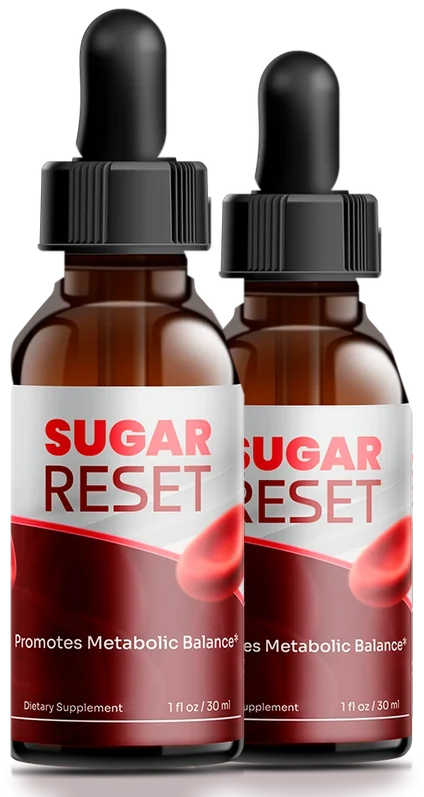
How much gymnema is in Sugar Reset?
The label does not say. "Gymnema Leaf Extract" is the eighth of 22 ingredients in the 200 mg proprietary blend, so it is neither among the largest nor the smallest shares, and no amount or extract strength is printed.
Gymnema is one of the ingredients the sales page highlights, but on the label it sits after maca, grape seed, guarana, African mango, eleuthero, astragalus and green tea. Blends must list ingredients from most to least by weight, so at least seven ingredients weigh as much or more.[1] An even split of the blend would be about 9 mg per ingredient, but the split is not even and is not printed. Our blend page explains what the order can and cannot tell you.
| Fact | Detail |
|---|---|
| Label name | Gymnema Leaf Extract |
| Plant | Gymnema sylvestre (the label gives no Latin name) |
| Plant part | Leaf |
| Position in the blend | 8th of 22 |
| Amount | Not stated |
| Other names | Gurmar, Australian cow plant, periploca |
What is gymnema?
Gymnema sylvestre is a climbing plant whose leaves are used in traditional medicine, especially in India. LiverTox lists its other names as gymnema, Australian cow plant, periploca and gurmar, which it translates from Hindi as "sugar destroyer".[2]
That name reflects its long traditional use for diabetes. It is often said to reduce the taste of sweetness when the leaf is chewed. Neither the name nor the tradition is evidence that a leaf extract at an unknown dose in a 22-item blend does anything for blood sugar.
What does the research say?
None of the sources we cite shows that gymnema helps blood sugar. NCCIH's page on diabetes and dietary supplements, which reviews several herbs, does not discuss gymnema as a supplement at all.
NCCIH's broader conclusion applies: for most supplements studied for type 2 diabetes, the evidence is weak or inconsistent, studies are often small, and no herbal supplement has been proven effective.[3] Studies of gymnema elsewhere usually use standardized extracts at known doses; this label prints neither the dose nor the standardization. Our evidence page puts gymnema alongside the other ingredients.
Why does gymnema matter for people on diabetes medicines?
Because an ingredient traditionally used to lower blood sugar could add to a medicine that does the same. If you take insulin or a medicine that makes the body release more insulin, any extra lowering effect raises the chance of a low.
This blend also lists chromium and Panax ginseng, which NIH and NCCIH say may lower blood sugar or add to diabetes medicines. Three small effects in the same direction can add up. Ask your care team before you start, and never stop or change a diabetes medicine because of a supplement. NIDDK explains that low blood glucose is common in people who take insulin or some other diabetes medicines.[4] Our blood sugar page explains the signs.
- Shakiness or sweating.
- Hunger that comes on fast.
- A fast heartbeat.
- Dizziness or confusion.
- Follow your care team's plan for lows.
Is gymnema a liver concern?
A small one. LiverTox describes isolated, rare reports of clinically apparent liver injury in people taking products containing gymnema over the last 25 years, and says attribution to the herb was usually weak.
LiverTox adds that the compounds possibly responsible are not known, and that the liver injury reported has been self-limited, with chronic injury not clearly described. That is a much weaker record than green tea extract's, which is also in this blend. But two ingredients with liver reports in one product is a reason to know the warning signs: dark urine, yellow skin or eyes, upper right belly pain, pale stools and unusual tiredness. Our liver page explains.
| Liver question | What LiverTox says |
|---|---|
| Are there reports? | Isolated, rare reports |
| How strong is the link? | Usually weak |
| What caused them? | Unknown compounds |
| How did they turn out? | Self-limited; chronic injury not clearly described |
What are the side effects of gymnema?
The sources we cite do not list common side effects for gymnema beyond the liver reports and the possibility of adding to diabetes medicines. That is not the same as having none; it means the research is limited.
Because it is in a blend with 21 other ingredients, any side effect you notice could come from something else, such as the caffeine in guarana and green tea, or a stomach effect from coleus, capsicum or the xylitol in the liquid. If you notice anything new, stop the drops and talk to your doctor. Our side effects page lists the effects linked with each ingredient.
Who should be careful with gymnema?
Anyone on insulin or other diabetes medicines, anyone with a liver condition, and anyone pregnant or breastfeeding, for whom the sources we cite give no safety information.
The label asks pregnant or nursing mothers, children under 18 and anyone with a known medical condition to consult a physician first. For gymnema, the diabetes medicine caution is the one that matters most. Our who it's for page sets out the full list.
Does the sales page describe gymnema accurately?
The sales page leads with gymnema and describes traditional and research support. We do not repeat its claims. The label lists gymnema eighth in a blend with no amount, which is less than the marketing suggests.
The sales page also links gymnema with reduced sugar absorption and "regenerating" cells in the pancreas, which are disease-related claims a supplement may not make. The FDA warns that products marketed with diabetes claims may contain harmful or hidden ingredients and can lead people to delay effective care. Our label claims page explains which claims we do not repeat.
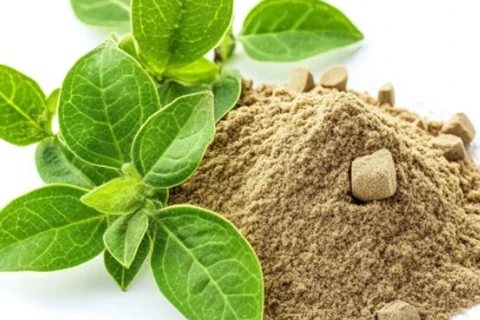
What does the gymnema photo show?
The seller's photo shows green leaves beside a pile of tan powder. It is consistent with gymnema leaf and leaf powder, though a photo cannot confirm a species. We use it only to show what the plant material looks like.
The label lists a leaf extract, which is a concentrated preparation, not the dried powder in the photo. Extracts can differ a great deal in strength from one maker to another. Without a stated strength, the photo tells you nothing about the dose.
Why is gymnema so common in blood sugar products?
Because of its traditional reputation and its name. A plant called "sugar destroyer" in Hindi is an easy fit for marketing, and gymnema appears in many blood sugar blends for that reason.
Popularity is not evidence. NCCIH's review of supplements for diabetes discusses chromium, cinnamon, berberine, ginseng and others, and does not review gymnema as a supplement. The FDA and FTC have sent warning letters to companies selling dietary supplements with diabetes claims, several of which used herbs with traditional reputations.[5] When you see gymnema on a label, read it as one more ingredient that may add to a diabetes medicine, not as proof the product works.
How does gymnema compare with the other blood sugar ingredients here?
Of the three ingredients linked with blood sugar in this blend, chromium has the most research and a printed amount, Panax ginseng has some research with inconclusive results, and gymnema has a traditional reputation with no benefit shown in our sources.
On the label, gymnema is eighth, ginseng twelfth and chromium outside the blend at 0.7 mcg. None is likely to be a large amount. What links them is the direction: all three are thought to lower blood sugar, and all three are a reason for people on diabetes medicines to ask first.
| Ingredient | Label amount | Evidence in our sources | Caution |
|---|---|---|---|
| Chromium | 0.7 mcg | Mixed | May add to diabetes medicines |
| Panax ginseng | Not stated (12th) | Inconclusive | May lower blood sugar; clotting; insomnia |
| Gymnema | Not stated (8th) | None shown | May add to diabetes medicines; rare liver reports |
What if I already take a gymnema supplement?
Then the amounts add up, and you should tell your care team and pharmacist about both products. Taking two products with gymnema, plus chromium and ginseng from this blend, increases the chance of an effect on blood sugar and of a reaction.
Bring both labels to your pharmacist. If you take a diabetes medicine, do not combine them without your care team's agreement. If you notice shakiness, sweating, confusion or other signs of a low, follow your plan for lows and stop the supplements. Our medicines page covers the other interactions in this blend.
What should I ask before I take it?
Ask your care team whether gymnema, chromium and ginseng together are a sensible addition to your medicines, how you should check your blood sugar if you try it and what reading means stop. Ask your pharmacist whether any other ingredient in the blend matters for you.
If you have no diabetes and take no medicines, the gymnema in this blend is less of a concern than the caffeine and the green tea extract. Either way, start at one dropper if you try it, and keep the warning signs in mind.
Frequently asked questions
Does gymnema in Sugar Reset change how sweet things taste?
Chewed gymnema leaf is often said to dull sweet taste, but the label makes no such claim, and a swallowed drop is not a chewed leaf.
How much gymnema is in a Sugar Reset dropper?
The label does not say. Gymnema is eighth of 22 in a 200 mg blend.
Is Sugar Reset gymnema standardized?
The label gives no standardization or extract strength.
Can gymnema in Sugar Reset harm the liver?
LiverTox describes rare, weakly linked reports. Know the warning signs and stop if any appear.
Should I take extra gymnema with Sugar Reset?
Ask your care team first, especially if you take a diabetes medicine.
Medical review: Dr. Andres Palacio, MD, Endocrinologist. Name and designation supplied by the site owner; not independently verified. Safety lines also cite NIH, FDA, MedlinePlus and FTC pages. How review works.
Sources
- FDA: Dietary Supplement Labeling Guide: Chapter IV, Nutrition Labeling. www.fda.gov
- NIH LiverTox: Gymnema sylvestre. www.ncbi.nlm.nih.gov
- NCCIH: Diabetes and Dietary Supplements. www.nccih.nih.gov
- NIDDK: Low Blood Glucose (Hypoglycemia). www.niddk.nih.gov
- FDA: FDA and FTC Send Warning Letters to 10 Companies for Illegally Selling Dietary Supplements Claiming to Treat Diabetes. www.fda.gov
Safety: Sugar Reset Drops is a dietary supplement, not a medicine, and not a diabetes medicine. Follow your bottle's label: 1 or 2 droppers a day, with 1 ml as one serving. Never stop or change insulin or any diabetes medicine on your own; chromium, gymnema and ginseng may add to them and cause low blood sugar. The blend includes caffeine sources (guarana, green tea) and grapefruit extract, which can matter with some medicines. Green tea extract has been linked to liver injury: stop and call a doctor if you notice dark urine, yellow skin or eyes, or upper belly pain. The liquid contains xylitol, which is dangerous for dogs. Not for pregnancy, nursing or anyone under 18; ask your doctor first if you take any medicine or have a heart, blood pressure, kidney, liver or thyroid condition.
This site is an independent information site, not the manufacturer of Sugar Reset Drops. We may earn from order links on this site; order links are marked sponsored. *These statements have not been evaluated by the Food and Drug Administration. This product is not intended to diagnose, treat, cure or prevent any disease. Page updated November 26, 2026.