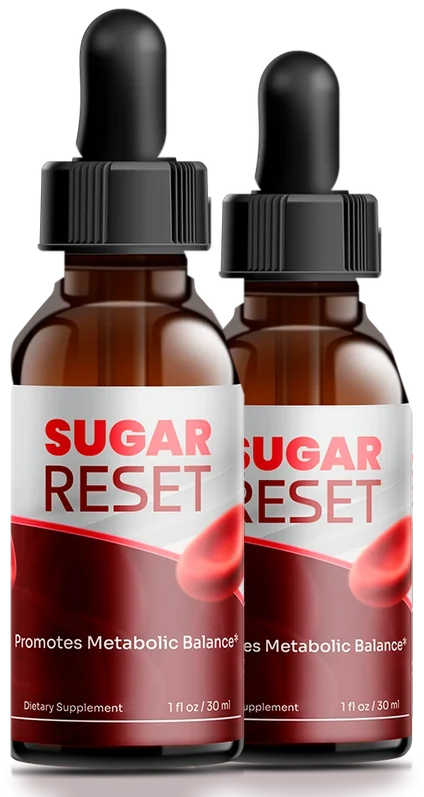
If you are over 60, ask your doctor or pharmacist before taking Sugar Reset. Age is not a reason to avoid it by itself, but it raises the chance of low blood sugar with some medicines, and older adults often take several medicines at once.
The label does not set an age limit above 18, and nothing in the sources we cite says the drops are unsafe for older adults as a group. What they say is that several ingredients carry cautions that matter more when you take more medicines, or when your margin for error is smaller. This page lists them.
Does age change the risk of low blood sugar?
Yes, if you use insulin or some diabetes medicines. The NIDDK says low blood glucose is more likely if you are 65 or older or have had it before, and that it is common with insulin and some diabetes medicines.[1]
Chromium, which the label lists at 0.7 mcg per 1 ml serving, might cause low blood sugar when taken with insulin, metformin or other diabetes medicines, according to the NIH.[2] NCCIH says ginseng, also in the blend, may lower blood sugar. If you are 65 or older and use any diabetes medicine, ask your care team before starting. Our low blood sugar signs post explains how to prepare a plan.
What about the chromium amount for older adults?
The label's 0.7 mcg is small beside the adequate intakes the NIH lists: 30 mcg a day for men over 50 and 20 mcg for women over 50.[2] That is a comparison of numbers, not a recommendation.
The same source says scientists no longer think chromium is necessary for good health, and that deficiency has not been reported in healthy people. So there is no need to take a supplement to meet a target, and the figure of 2 percent of the Daily Value on the label is not a reason to buy. The point of the comparison is that the chromium in the drops is not large, while other ingredients in the blend have no printed amount at all. Our chromium page explains the figure.
| Group | Adequate intake in the NIH fact sheet |
|---|---|
| Men 51 and older | 30 mcg a day |
| Women 51 and older | 20 mcg a day |
| Sugar Reset label | 0.7 mcg per 1 ml serving |
Which medicines matter most in later life?
Those for diabetes, blood pressure, heart rhythm, blood thinning, cholesterol and thyroid, and any that affect the immune system or mood. Each has at least one ingredient in the blend with a flagged caution.
- Diabetes medicines: chromium and ginseng.
- Blood pressure medicines: coleus, caffeine sources and grapefruit.
- Digoxin: eleuthero can raise the risk of side effects.
- Blood thinners: ginseng and coleus.
- Cholesterol medicines: grapefruit and green tea extract.
- Thyroid medicine: chromium and tyrosine.
Our medicines page groups the questions for a pharmacist. The NIH advises telling your doctor and pharmacist about every supplement, because some interact with medicines and with surgery.[3]
Is caffeine a concern as we age?
It can be, for people who are sensitive or who have a heart condition or high blood pressure. The FDA says 400 mg a day is not generally associated with negative effects for most adults, but that sensitivity and medicines change that.[4]
The drops list guarana and green tea extract, which carry caffeine, with no amount printed. If you sleep lightly, have a fast heartbeat or take medicine that caffeine can affect, count your other caffeine first and ask your doctor. Our caffeine amount post shows how to add up a day. If you notice jitters, a racing heart or poor sleep, stop and talk to your doctor.
What should I ask at the appointment?
Bring the bottle and your full medicine list, and ask whether any ingredient matters for them, whether to check readings or take blood tests and what should make you stop. Ask a family member to come if that helps.
Ask too about alcohol, kidney function and liver tests, since green tea extract has a liver caution and some of the other ingredients have kidney cautions. The label asks anyone with a known medical condition to consult a physician first. Write down what you are told, and ask for it in writing if you can. If you take many medicines, ask whether a pharmacist can do a full review, since one person looking at the whole list is more likely to spot a clash than several people each looking at one item. It also helps to say what you hope to get from the drops, so that your doctor can tell you whether there is a better-supported route to the same goal. Our who it's for page lists the groups who should ask first.
Does the sales page speak to older adults?
It does not give a reason to skip the conversation. The sales page makes claims about blood sugar that the bottle does not make, and we do not repeat them.
Never stop or change a prescribed medicine because of a supplement. NCCIH says most supplement evidence for type 2 diabetes is weak or inconsistent and that supplements should not replace medical care.[5] If a page promises something that sounds too good, ask your doctor, and report problems to the FDA, which explains how.[6]
Frequently asked questions
Is Sugar Reset safe for people over 60?
The label sets no age limit above 18, but age raises some risks. Ask your doctor or pharmacist first.
Does age raise the Sugar Reset low blood sugar risk?
The NIDDK says low blood glucose is more likely at 65 or older, especially with insulin or some diabetes medicines.
Is 0.7 mcg of chromium enough for seniors?
That is a comparison, not a target. The NIH says chromium is no longer thought necessary for good health.
Should a senior check with a pharmacist about Sugar Reset?
Yes. Bring the bottle and the full medicine list so the pharmacist can check every ingredient.
Medical review: Dr. Andres Palacio, MD, Endocrinologist. Name and designation supplied by the site owner; not independently verified. Safety lines also cite NIH, FDA, MedlinePlus and FTC pages. How review works.
Sources
- NIDDK: Low Blood Glucose (Hypoglycemia). www.niddk.nih.gov
- NIH Office of Dietary Supplements: Chromium: Fact Sheet for Consumers. ods.od.nih.gov
- NIH Office of Dietary Supplements: Dietary Supplements: What You Need to Know. ods.od.nih.gov
- FDA: Spilling the Beans: How Much Caffeine is Too Much?. www.fda.gov
- NCCIH: Diabetes and Dietary Supplements. www.nccih.nih.gov
- FDA: How to Report a Problem with Dietary Supplements. www.fda.gov
Safety: Sugar Reset Drops is a dietary supplement, not a medicine, and not a diabetes medicine. Follow your bottle's label: 1 or 2 droppers a day, with 1 ml as one serving. Never stop or change insulin or any diabetes medicine on your own; chromium, gymnema and ginseng may add to them and cause low blood sugar. The blend includes caffeine sources (guarana, green tea) and grapefruit extract, which can matter with some medicines. Green tea extract has been linked to liver injury: stop and call a doctor if you notice dark urine, yellow skin or eyes, or upper belly pain. The liquid contains xylitol, which is dangerous for dogs. Not for pregnancy, nursing or anyone under 18; ask your doctor first if you take any medicine or have a heart, blood pressure, kidney, liver or thyroid condition.
This site is an independent information site, not the manufacturer of Sugar Reset Drops. We may earn from order links on this site; order links are marked sponsored. *These statements have not been evaluated by the Food and Drug Administration. This product is not intended to diagnose, treat, cure or prevent any disease. Page updated November 26, 2026.