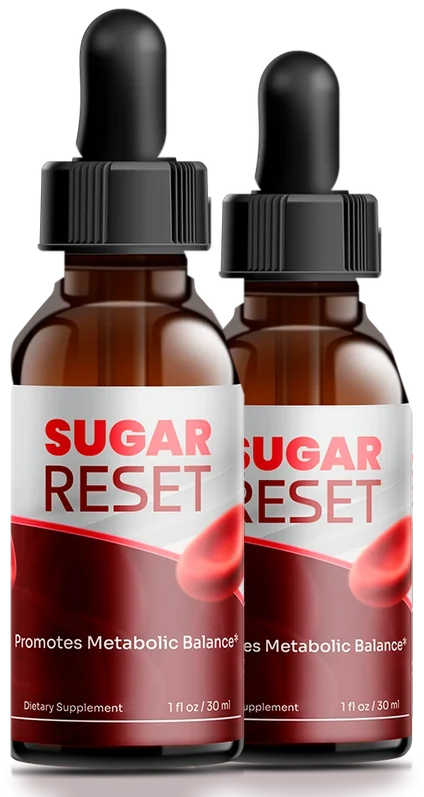
Can Sugar Reset affect blood pressure?
It might, in either direction. The blend lists caffeine sources that may raise blood pressure, coleus forskohlii that may lower it, and a licorice compound that can raise it and lower potassium. The amounts are not printed.
That mix makes it impossible to say what the blend does to blood pressure, and the drops have not been tested. What we can say is which ingredients the sources flag, and that anyone with high blood pressure, a heart rhythm problem or kidney disease should ask a doctor before starting. NCCIH says even small amounts of glycyrrhizin from licorice have been linked to severe adverse effects in people with high blood pressure or heart or kidney conditions.[1]
| Ingredient | Direction | What our sources say |
|---|---|---|
| Guarana seed extract | Up | Caffeine might raise blood pressure (MedlinePlus) |
| Green tea leaf extract | Up | Extracts may cause higher blood pressure (NCCIH) |
| Coleus forskohlii root extract | Down | May lower blood pressure and slow heart rate (MSK) |
| Monoammonium glycyrrhizinate | Up | Licorice compound; irregular heartbeat, potassium loss (NCCIH) |
| Eleuthero root extract | Heart medicine | Can raise digoxin side effects and distort tests (MSK) |
| L-arginine base | Unknown | Not covered by our sources |
What does the caffeine do?
Caffeine can raise blood pressure for a while after you take it, especially if you do not usually have it. MedlinePlus says the caffeine in guarana might raise blood pressure, though the effect may be smaller in regular caffeine users.[2]
NCCIH lists higher blood pressure among the possible side effects of green tea extract supplements. The caffeine amount per dropper is not printed. If you have high blood pressure, count your coffee, tea and cola, and ask your doctor whether a product with two caffeine sources is a sensible addition. Our caffeine page helps you add up your daily total.
What does coleus do?
Coleus forskohlii contains forskolin, which Memorial Sloan Kettering says may lower blood pressure, based mostly on laboratory studies, with very few clinical trials.[3]
MSK lists low blood pressure and a slow heart rate among forskolin's side effects, and advises care if you take medicines for high blood pressure such as beta-blockers, vasodilators, ACE inhibitors or calcium channel blockers, because the effects may add up. It also says laboratory studies show forskolin inhibits platelets, which matters if you take a blood thinner, and that people with polycystic kidney disease should avoid it. Coleus is ninth of 22 in the blend, amount not stated.
- May lower blood pressure.
- May slow the heart rate.
- May add to blood-pressure medicines.
- May affect platelets and clotting.
- To be avoided with polycystic kidney disease.
What does the licorice compound do?
Monoammonium glycyrrhizinate is a form of glycyrrhizin, the compound in licorice root that NCCIH says can cause serious adverse effects, such as irregular heartbeat and cardiac arrest, especially in large amounts or with long-term use.
It works by making the body hold on to salt and water and lose potassium, which can raise blood pressure. NCCIH says even small amounts have been linked to severe effects in people who eat a lot of salt, have high blood pressure, or have heart or kidney conditions, and that interactions with corticosteroids have been reported. The compound is 18th of 22 in the blend, so its share is small, but the people most at risk are exactly those a blood sugar product often reaches.
Why does potassium matter?
Because low potassium can cause muscle weakness, cramps and heart rhythm problems, and it makes some heart medicines riskier. Licorice compounds can lower potassium, and so can some water pills.
If you take a water pill, digoxin or a steroid medicine, or have kidney disease, ask your doctor whether the licorice compound matters for you. Your doctor may already check your potassium; tell them you have started a supplement that contains it. Signs of low potassium include weakness, cramps, constipation and palpitations. A racing or irregular heartbeat needs urgent care.
| You take or have | Why the licorice compound matters |
|---|---|
| Water pills | May add to potassium loss |
| Digoxin | Low potassium makes digoxin riskier |
| Steroid medicines | Reported interaction |
| High blood pressure | Can push pressure up |
| Kidney disease | Linked to severe effects even in small amounts |
What about digoxin?
Ask your doctor before you start. Memorial Sloan Kettering says eleuthero, fifth in the blend, can raise the risk of side effects from digoxin and can falsely raise digoxin blood tests.
A falsely high blood test can lead to a wrong change in dose, and low potassium from the licorice compound can make digoxin more dangerous. Tell whoever checks your digoxin levels that you take a product with eleuthero and a licorice compound. Do not change your digoxin dose yourself. Our medicines page covers the other heart medicine questions.
What about blood thinners?
Ask your pharmacist. NCCIH says Panax ginseng may interfere with blood clotting, and MSK says forskolin inhibits platelets in laboratory studies.[4]
If you take warfarin or another blood thinner, your clotting tests may need checking when you start any new supplement. None of our sources covers grape seed extract, the second ingredient in the blend, so ask about that too.
What about kidney disease?
Ask your doctor first. NCCIH says people with or at risk for kidney disease should have their supplement use monitored closely, because some supplements can cause serious kidney damage.
In this blend, the licorice compound is linked to severe effects in people with kidney conditions, coleus should be avoided with polycystic kidney disease, and NIH's weight fact sheet reports kidney failure in one person with chronic kidney disease who took African mango. Kidney disease also changes how the body handles caffeine, potassium and many other substances. Our safety page lists every caution.
Who should be most careful?
People with high blood pressure, heart failure, a heart rhythm problem, kidney disease or a history of low potassium, and anyone taking blood-pressure medicines, water pills, digoxin, steroids or blood thinners. Older adults more often have several of these at once.
The label asks individuals with a known medical condition to consult a physician before use. For these groups, that advice is especially worth following. Our who it's for page sets out the full list.
- High blood pressure or heart failure.
- A heart rhythm problem.
- Kidney disease of any kind.
- Water pills, steroids or digoxin.
- Blood thinners.
Should I check my blood pressure if I try it?
If you have high blood pressure and your doctor agrees to a trial, checking at home is sensible. Note the readings before you start and for the first weeks, at the same time of day each time.
A change does not prove the drops caused it, because blood pressure moves with salt, sleep, stress, activity and caffeine. But a clear change after starting is worth telling your doctor about. Stop the drops and call your doctor if your readings rise sharply, if you feel faint or dizzy on standing, or if your heart races or skips. Call 911 for chest pain, fainting or trouble breathing.
Why do these ingredients appear in a blood sugar product?
Several of them are common in weight and "metabolism" products rather than blood sugar ones. Coleus, guarana, green tea, capsicum, raspberry ketones and African mango all appear in NIH's fact sheet on weight-loss supplements.
That fact sheet finds little or mixed evidence for most of them and lists their side effects: caffeine's nervousness and rapid heartbeat, coleus's loose stools and unknown long-term safety, and African mango's single kidney failure case.[5] Their presence in this blend is one reason the label reads more like a general metabolism mix than a focused blood sugar product. It also means a person with high blood pressure is taking several heart-relevant ingredients at once, in amounts nobody has printed. Our blend page lists all 22.
| Ingredient | Also common in | Heart-relevant effect |
|---|---|---|
| Guarana | Energy and weight products | Caffeine |
| Green tea extract | Weight products | Caffeine; blood pressure |
| Coleus forskohlii | Weight products | Lower pressure, slower heart rate |
| Capsicum | Weight products | None in our sources |
| Licorice compound | Flavouring, herbal blends | Higher pressure, low potassium |
What should I ask my doctor?
Ask whether any of the five ingredients in the first table matters for your pressure, your heart rhythm, your kidneys or your medicines, and whether you should check your pressure at home if you try it. Bring the label.
Also ask about the caffeine, because you can control your other sources, and about any medicine that affects potassium. If your doctor says no, the 60-day refund window on the sales page counts from purchase; our guarantee page explains it.
Does the label warn about blood pressure?
Not specifically. The label's caution asks pregnant or nursing mothers, children under 18 and individuals with a known medical condition to consult a physician, and says not to exceed the recommended dose.
The specific blood pressure cautions come from the sources on each ingredient, not from the bottle. That is common for supplements: the FDA does not approve labels or require safety studies before sale.[6] So the work of matching ingredients to your health falls to you and your pharmacist.
Frequently asked questions
Can Sugar Reset raise my blood pressure?
It might, from caffeine and the licorice compound. Ask your doctor if you have high blood pressure.
Is Sugar Reset safe with blood-pressure medicine?
Ask your pharmacist. Coleus may add to blood-pressure medicines, and caffeine and licorice may work against them.
Does Sugar Reset contain licorice?
It lists monoammonium glycyrrhizinate, a licorice compound, near the end of the blend.
Can Sugar Reset affect my potassium?
The licorice compound can lower potassium. Ask your doctor if you take water pills, steroids or digoxin.
Is Sugar Reset safe with kidney disease?
Ask your doctor first. Several ingredients carry kidney cautions in our sources.
Medical review: Dr. Andres Palacio, MD, Endocrinologist. Name and designation supplied by the site owner; not independently verified. Safety lines also cite NIH, FDA, MedlinePlus and FTC pages. How review works.
Sources
- NCCIH: Licorice Root. www.nccih.nih.gov
- MedlinePlus: Guarana. medlineplus.gov
- Memorial Sloan Kettering: Forskolin (Coleus forskohlii). www.mskcc.org
- NCCIH: Asian Ginseng. www.nccih.nih.gov
- NIH Office of Dietary Supplements: Dietary Supplements for Weight Loss (health professional fact sheet). ods.od.nih.gov
- FDA: Dietary Supplements: How FDA Helps Keep You Safe (May 2022). www.fda.gov
Safety: Sugar Reset Drops is a dietary supplement, not a medicine, and not a diabetes medicine. Follow your bottle's label: 1 or 2 droppers a day, with 1 ml as one serving. Never stop or change insulin or any diabetes medicine on your own; chromium, gymnema and ginseng may add to them and cause low blood sugar. The blend includes caffeine sources (guarana, green tea) and grapefruit extract, which can matter with some medicines. Green tea extract has been linked to liver injury: stop and call a doctor if you notice dark urine, yellow skin or eyes, or upper belly pain. The liquid contains xylitol, which is dangerous for dogs. Not for pregnancy, nursing or anyone under 18; ask your doctor first if you take any medicine or have a heart, blood pressure, kidney, liver or thyroid condition.
This site is an independent information site, not the manufacturer of Sugar Reset Drops. We may earn from order links on this site; order links are marked sponsored. *These statements have not been evaluated by the Food and Drug Administration. This product is not intended to diagnose, treat, cure or prevent any disease. Page updated November 26, 2026.