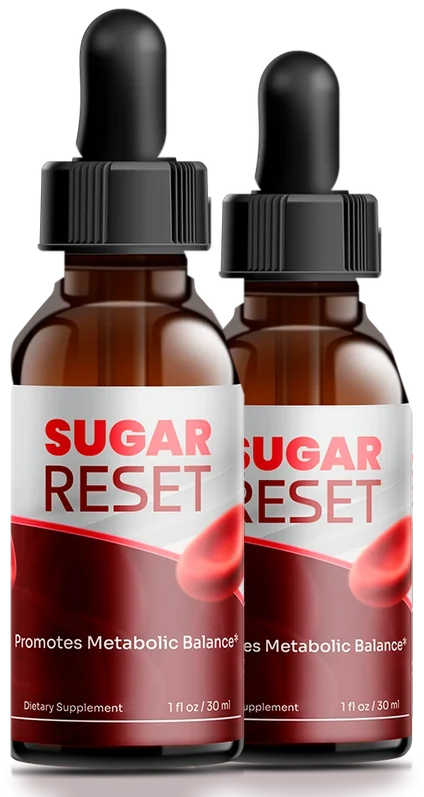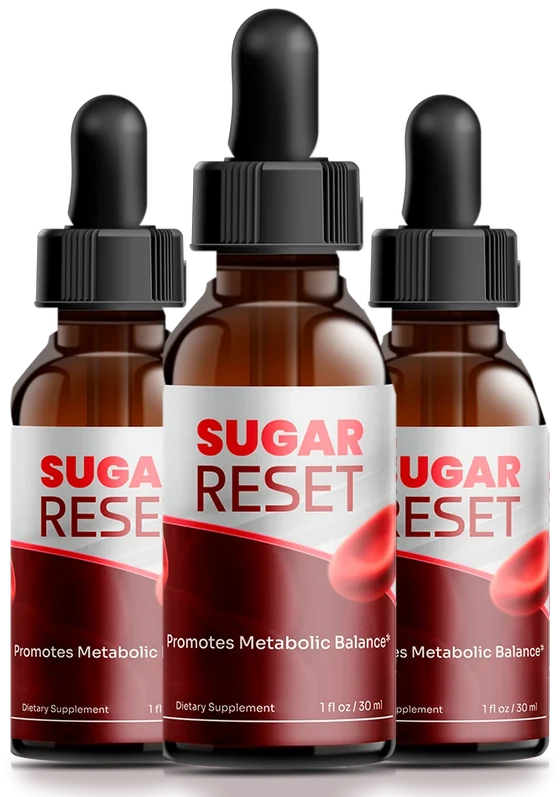
The Sugar Reset sales page says far more than the bottle does. The label makes one claim, "Promotes Metabolic Balance*", with an FDA asterisk, while the page makes claims about diabetes, insulin and weight that no supplement may make.
We do not repeat those claims, because repeating them would put them in your head as if they were facts, and because a reader who sees a claim first tends to remember it after the correction is forgotten. This page compares the two sources in general terms, explains what the rules allow and tells you what to check before you rely on anything a sales page says about health.
What does the label claim?
One thing: "Promotes Metabolic Balance*". The asterisk points to the FDA statement printed on the bottle, which says the statements have not been evaluated by the FDA and that the product is not intended for any disease.
That is what a structure or function claim looks like. The FDA allows such claims on supplements if they carry the disclaimer and make no disease claim.[1] The label's wording is vague, and the label gives no amount for any of the 22 blend ingredients. So even the one claim on the front rests on a list with no measured shares. Our label claims page goes through each line.
What does the sales page add?
It adds claims about blood sugar, insulin, weight and the pancreas, a line saying no significant side effects have been reported, and testimonials about glucose readings. We repeat none of them.
| Source | Kind of claim |
|---|---|
| Label | One structure or function line with the FDA disclaimer |
| Sales page | Disease and weight claims, a safety claim, testimonials |
| Both | No amount printed for any blend ingredient |
A claim that a supplement helps manage a disease is a disease claim, whatever words are used. The sales page also shows crossed-out prices, "you save" figures and a countdown timer, none of which we repeat. Our coupon code post explains why.
What do the FDA and FTC say about such claims?
The FDA says many products sold as supplements with diabetes claims are sold illegally.[2] It adds that they may contain harmful or hidden ingredients, or none. In 2021 the FDA and FTC sent warning letters to ten companies selling supplements with such claims.[3]
That does not mean this seller is one of those companies. It means that the claims we saw are in the category the agencies have acted on. The FTC adds that health claims need competent and reliable scientific evidence.[4] A testimonial about a glucose reading is not that evidence, and a number on a meter in a product photo, which we chose not to use, would not be either.
What do the sources we cite say about the ingredients?
They say the evidence is weak, mixed or about something other than blood sugar. NCCIH says most supplement evidence for type 2 diabetes is weak or inconsistent, and that no herbal supplement, including ginseng, has been proven effective.[5]
- Chromium: studies on blood sugar in type 2 diabetes are mixed, according to NIH.
- Ginseng: evidence is inconclusive and conflicting, with most trials small and short.
- Green tea and African mango: the NIH weight fact sheet finds little or modest effects.
- Blend as a whole: no study we cited tested this blend.
NCCIH also says supplements can interact with diabetes medicines and that you should not swap a prescribed plan for a supplement. Our evidence page lays out each source.
What about "no significant side effects"?
It is a claim we do not repeat, because the sources we cite list real cautions for several ingredients in the blend. A blanket statement that none have been reported does not match them.
Green tea extract is a well-established, if rare, cause of liver injury.[6] Chromium might cause low blood sugar with diabetes medicines, and the blend has caffeine sources, grapefruit extract and a licorice compound, each with its own cautions. The liquid also contains xylitol, which is dangerous for dogs. That is not a list of certain harms to you, and we do not suggest that anyone will have a problem. It is a list of reasons to ask a doctor or pharmacist before you start, which a claim that none have been reported discourages. Our side effects page lists each caution.
How should I read a sales page for any supplement?
Compare it with the label, and give the label more weight. Anything on a page that the bottle does not say is a claim you cannot check by reading the bottle.
Ask whether the page names an amount, a study, a date or a source, and whether it uses words about disease. Never stop or change a medicine because of a page. If you take diabetes medicine, ask your care team before you try a supplement, and keep checking your blood sugar as they advise. Our legit page shows how we weighed the page against the label, and our scam or legit post lists seven checks you can reuse on other products.
Frequently asked questions
Does Sugar Reset help with diabetes?
The bottle does not claim that, and we cannot say it does. No supplement may make a disease claim, and you should never change a diabetes medicine on your own.
Why do you not quote the Sugar Reset sales page claims?
Repeating a disease claim would spread it. We describe the categories and leave the wording out.
Does the FDA sign off on the Sugar Reset label claim?
No. The FDA does not approve supplements before sale, and the asterisk points to its standard disclaimer.
Where can I check the Sugar Reset claims myself?
Compare the label with the page, then read the NIH, NCCIH and FDA pages we cite on each ingredient.
Medical review: Dr. Andres Palacio, MD, Endocrinologist. Name and designation supplied by the site owner; not independently verified. Safety lines also cite NIH, FDA, MedlinePlus and FTC pages. How review works.
Sources
- FDA: Structure/Function Claims. www.fda.gov
- FDA: Beware of Illegally Marketed Diabetes Treatments. www.fda.gov
- FDA: FDA and FTC Send Warning Letters to 10 Companies for Illegally Selling Dietary Supplements Claiming to Treat Diabetes. www.fda.gov
- FTC: Health Products Compliance Guidance. www.ftc.gov
- NCCIH: Diabetes and Dietary Supplements. www.nccih.nih.gov
- NIH LiverTox: Green Tea. www.ncbi.nlm.nih.gov
Safety: Sugar Reset Drops is a dietary supplement, not a medicine, and not a diabetes medicine. Follow your bottle's label: 1 or 2 droppers a day, with 1 ml as one serving. Never stop or change insulin or any diabetes medicine on your own; chromium, gymnema and ginseng may add to them and cause low blood sugar. The blend includes caffeine sources (guarana, green tea) and grapefruit extract, which can matter with some medicines. Green tea extract has been linked to liver injury: stop and call a doctor if you notice dark urine, yellow skin or eyes, or upper belly pain. The liquid contains xylitol, which is dangerous for dogs. Not for pregnancy, nursing or anyone under 18; ask your doctor first if you take any medicine or have a heart, blood pressure, kidney, liver or thyroid condition.
This site is an independent information site, not the manufacturer of Sugar Reset Drops. We may earn from order links on this site; order links are marked sponsored. *These statements have not been evaluated by the Food and Drug Administration. This product is not intended to diagnose, treat, cure or prevent any disease. Page updated November 26, 2026.