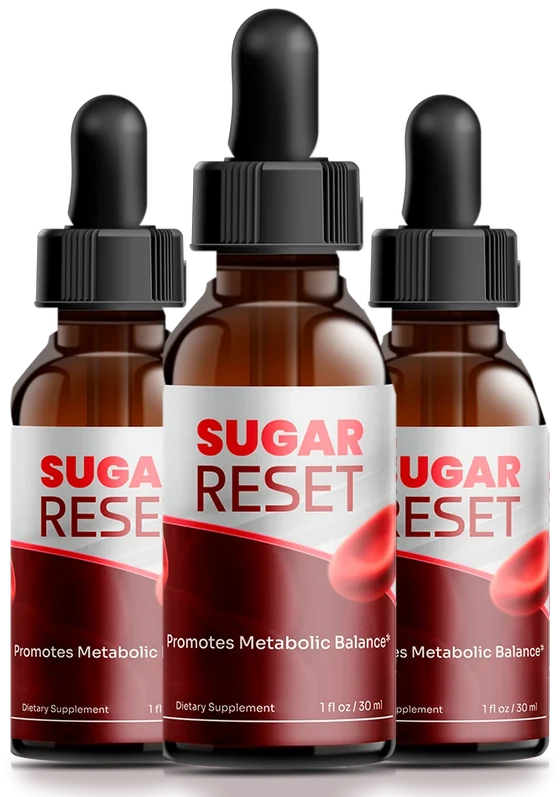
What is the evidence for Sugar Reset?
There is no study of Sugar Reset itself that we could find. The evidence is about single ingredients, mostly at doses and in forms that cannot be matched to this bottle, and for blood sugar it is weak, mixed or missing.
NCCIH sums up the wider picture: many supplements have been studied for type 2 diabetes, but most of the evidence is weak or inconsistent and the studies are often small.[1] Chromium and ginseng have the most research among the ingredients here, and even for those the findings conflict. For most of the other 21 blend items, the sources we cite say nothing about blood sugar at all.
| Ingredient | Blood sugar evidence in our sources | Notes |
|---|---|---|
| Chromium | Mixed results | 0.7 mcg here, below adult adequate intakes |
| Panax ginseng | Some fasting-glucose findings; inconclusive overall | Label lists the aerial extract, not root |
| Gymnema | None cited | Traditional use; rare liver reports |
| Green tea extract | None for blood sugar; small weight effects | Known rare liver risk |
| African mango | None for blood sugar; a few small weight trials | Kidney failure in one person with kidney disease |
| Most other blend items | Not studied for blood sugar in our sources | Amounts unknown |
Why does no study apply directly to these drops?
Because the dose of each ingredient is unknown. Studies test a known amount of a known form, and this label prints only chromium's amount and the blend's total weight.
A study that used 400 mg of a standardized gymnema extract tells you little about a blend in which gymnema is the eighth of 22 ingredients sharing 200 mg. Even an even split would be about 9 mg each, and the real split is unknown. Federal labeling rules allow this, as long as the blend's ingredients are listed in order of weight.[2] The result is that no published dose can be compared with a dropper of this liquid.
What does the evidence say about chromium?
The evidence is mixed. NIH's Office of Dietary Supplements says studies of chromium supplements for blood sugar in type 2 diabetes have had mixed results, and that the American Diabetes Association does not recommend them for diabetes.[3]
The same fact sheet says scientists no longer think chromium is necessary for good health and that deficiency has not been reported in healthy people. Adult adequate intakes were set at 20 to 35 mcg a day; this label prints 0.7 mcg, 2% of the Daily Value. NCCIH mentions a 2022 review suggesting chromium may improve some measures, with stomach pain and bloating as possible side effects. Our chromium page explains the numbers.
What does the evidence say about ginseng?
Limited and conflicting. NCCIH says a 2022 review found improvements in fasting blood glucose in people with prediabetes or diabetes, but that the overall evidence on blood sugar in diabetes is inconclusive and conflicting.[4]
Most ginseng trials are small and short, under 200 people and under three months. They studied root preparations; this label lists Panax ginseng aerial extract, from the leaves and stems, which is a different part of the plant. NCCIH also lists insomnia as the most common side effect and says ginseng may lower blood sugar and interfere with clotting. Our Panax ginseng page covers the details.
What does the evidence say about gymnema?
None of the sources we cite shows a benefit. LiverTox describes gymnema as a herb used in traditional medicine for diabetes, with rare, weakly linked reports of liver injury.[5]
Its traditional Hindi name, gurmar, translates as "sugar destroyer", which says more about folk use than about trials. NCCIH's page on diabetes and supplements does not review gymnema at all. If you take a diabetes medicine, the traditional use is itself a reason for caution, because anything that lowers blood sugar can add to your medicine. Our gymnema page explains.
What about green tea, African mango and the weight ingredients?
The evidence is about weight, not blood sugar, and it is thin. NIH's fact sheet on weight-loss supplements says green tea catechins may have a small effect, African mango has only a few small trials, and raspberry ketones, coleus and capsicum have little or no useful human evidence.[6]
That fact sheet also flags safety: green tea extracts have been linked to liver damage, African mango was linked to kidney failure in one person with chronic kidney disease, and coleus may cause loose stools with unknown long-term safety. Several of these ingredients sit in the blend because they are common in weight-loss products, not because they have blood sugar evidence.
- Chromium1 of 3 · mixed results; 0.7 mcg here is below the adult adequate intake
- Panax ginseng1 of 3 · some fasting-glucose findings; overall inconclusive
- Gymnema0 of 3 · traditional use; none of our sources shows a benefit
- Green tea extract1 of 3 · small weight effects only; liver risk
- African mango1 of 3 · few small trials, for weight not blood sugar
- Most of the other 180 of 3 · not studied for blood sugar in our sources
What about the amino acids and other extracts?
The sources we cite say little about them for blood sugar. L-tryptophan, L-tyrosine, GABA, L-glutamine, L-arginine, beta-alanine, L-ornithine and L-carnitine are amino acids or related compounds; maca, grape seed, eleuthero and astragalus are plant extracts.
What the sources do cover is safety. MedlinePlus links L-tryptophan to a 1989 outbreak of eosinophilia-myalgia syndrome and to interactions with serotonin medicines.[7] Astragalus should be avoided by people with autoimmune conditions, according to NCCIH. Eleuthero can affect digoxin. Maca has no reported side effects but unknown pregnancy safety. Our blend page lists all 22 with what the sources say.
Does the sublingual idea have evidence?
We found none, and the label does not claim it. The label says "place in mouth and swallow". Some sales copy describes the drops as sublingual or faster to absorb; we found no evidence for that in our sources.
Even if holding a liquid under the tongue changed absorption for some compounds, it would not tell you whether the dose works or is safe. We follow the label. Our how to take it page explains the directions as printed.
What would good evidence for this product look like?
Good evidence would be a trial of these drops at the label dose, in people like the buyers, against a dummy liquid, long enough to measure something that matters, with the results published. None of that exists that we could find.
Short of that, a buyer could at least compare the label dose with studied doses if the label printed the amount of each ingredient. It does not. A certificate of analysis for the batch, which the seller's notes say exists, would give the actual amounts. Ask the seller for it in writing. If you receive it, a pharmacist can compare each amount with the doses in the sources we cite.
| Evidence level | What it would show | Status for this product |
|---|---|---|
| Trial of the product | Effect and safety at the label dose | Not found |
| Trials of each ingredient at the same dose | A rough guide | Not possible: amounts not printed |
| Trials at other doses | Very little | Some, for a few ingredients |
| Traditional use only | Nothing about effect | Several ingredients |
Why does the ingredient order matter for evidence?
Because it is the only clue to the dose. Blends must list ingredients from most to least by weight, so maca, grape seed and guarana are the largest shares and the amino acids at the end are the smallest.
Chromium and ginseng, the two ingredients with the most blood sugar research, are not at the front: chromium is outside the blend at 0.7 mcg, and ginseng is twelfth of 22. Gymnema is eighth. The ingredients listed first are not the ones the sales page leads with. That is a useful check on any claim that a blend is built around a particular ingredient.
How should I weigh evidence like this?
Weigh it by asking three questions: was the ingredient studied in people, at a dose like this one, for the purpose being claimed? For this blend, the answer to at least one question is no for every ingredient.
That does not prove the drops do nothing. It means nobody can say what they do. The FTC says health claims need competent and reliable scientific evidence, and a single small trial of one ingredient at another dose does not meet that bar for a 23-ingredient product.[8]
- Was it studied in people, not only in cells or animals?
- Was the dose and form similar to this bottle?
- Was the result about the claim being made?
- Was the study large and long enough to trust?
- Has anyone repeated it?
What does the evidence mean for someone with diabetes?
It means a supplement cannot stand in for diabetes care, and that the main thing the evidence supports is caution. NCCIH warns that replacing medical care for diabetes with an unproven product is a serious mistake.
If you take insulin or another diabetes medicine, the ingredients most linked to lowering blood sugar could add to it and cause a low. Our blood sugar page explains the signs and what to ask, and our medicines page lists the other interactions. Never stop or change a diabetes medicine on your own.
Why do sales pages cite "scientific references"?
To borrow authority. A list of studies about single ingredients at other doses can look impressive while telling you little about the product being sold. The sales page includes a "Scientific References" image; we could not match its contents to this blend.
When you see a reference list, look for a study of the product itself, or at least of the ingredient at the amount printed on the label. Neither exists here. We cite only government and medical reference pages, and we say what each one supports.
Frequently asked questions
Has Sugar Reset itself been studied?
We found no clinical study of the product. The evidence we cite is about single ingredients.
Which Sugar Reset ingredient has the most research?
Chromium and Panax ginseng, and the findings for blood sugar are mixed for both.
Can I compare Sugar Reset with doses used in studies?
Not really. Only chromium has a printed amount, and the blend's split is unknown.
Is the Sugar Reset evidence better for weight?
Slightly more exists for weight, mostly for green tea and African mango, and it is small and short-term.
Does no evidence mean Sugar Reset is unsafe?
No. Evidence of effect and evidence of safety are separate. The cautions come from what the sources say about each ingredient.
Medical review: Dr. Andres Palacio, MD, Endocrinologist. Name and designation supplied by the site owner; not independently verified. Safety lines also cite NIH, FDA, MedlinePlus and FTC pages. How review works.
Sources
- NCCIH: Diabetes and Dietary Supplements. www.nccih.nih.gov
- FDA: Dietary Supplement Labeling Guide: Chapter IV, Nutrition Labeling. www.fda.gov
- NIH Office of Dietary Supplements: Chromium: Fact Sheet for Consumers. ods.od.nih.gov
- NCCIH: Asian Ginseng. www.nccih.nih.gov
- NIH LiverTox: Gymnema sylvestre. www.ncbi.nlm.nih.gov
- NIH Office of Dietary Supplements: Dietary Supplements for Weight Loss (health professional fact sheet). ods.od.nih.gov
- MedlinePlus: L-tryptophan. medlineplus.gov
- FTC: Health Products Compliance Guidance. www.ftc.gov
Safety: Sugar Reset Drops is a dietary supplement, not a medicine, and not a diabetes medicine. Follow your bottle's label: 1 or 2 droppers a day, with 1 ml as one serving. Never stop or change insulin or any diabetes medicine on your own; chromium, gymnema and ginseng may add to them and cause low blood sugar. The blend includes caffeine sources (guarana, green tea) and grapefruit extract, which can matter with some medicines. Green tea extract has been linked to liver injury: stop and call a doctor if you notice dark urine, yellow skin or eyes, or upper belly pain. The liquid contains xylitol, which is dangerous for dogs. Not for pregnancy, nursing or anyone under 18; ask your doctor first if you take any medicine or have a heart, blood pressure, kidney, liver or thyroid condition.
This site is an independent information site, not the manufacturer of Sugar Reset Drops. We may earn from order links on this site; order links are marked sponsored. *These statements have not been evaluated by the Food and Drug Administration. This product is not intended to diagnose, treat, cure or prevent any disease. Page updated November 26, 2026.