Can I take Sugar Reset while pregnant?
Do not start it without your doctor or midwife. The label asks pregnant or nursing mothers to consult a physician before use, and several of its ingredients carry pregnancy cautions in the sources we cite.
Pregnancy changes how the body handles blood sugar, caffeine and many medicines, and gestational diabetes needs its own care plan. A supplement with 23 named ingredients, 22 of them without printed amounts, is hard for anyone to judge for pregnancy. NCCIH says some studies suggest Panax ginseng may be unsafe in pregnancy and that some experts advise against it for pregnant or breastfeeding women.[1] That alone is a reason to ask first.
| Ingredient | Pregnancy or breastfeeding note in our sources |
|---|---|
| Panax ginseng | May be unsafe in pregnancy; some experts advise against it when breastfeeding (NCCIH) |
| Guarana and green tea | Caffeine: keep it moderate in pregnancy; it passes into breast milk (NCCIH) |
| L-tryptophan | Linked to a 1989 illness outbreak; can add to serotonin medicines (MedlinePlus); no pregnancy data in our sources |
| Maca | Not enough reliable information; stick to food amounts (MedlinePlus) |
| Licorice compound | Serious heart and potassium effects in some people (NCCIH); no pregnancy data in our sources |
| The blend as a whole | Not studied in pregnancy |
Why does ginseng matter in pregnancy?
NCCIH says some studies suggest oral Asian ginseng may be unsafe in pregnancy, that one of its compounds caused birth defects in animals, and that some experts advise against its use by pregnant or breastfeeding women.
The label lists Panax ginseng aerial extract, from leaves and stems, twelfth of 22 in the blend. The amount is not printed, and the aerial extract is not the root most studies used. That uncertainty does not make it safer; it means nobody can say. Our Panax ginseng page explains the rest of what NCCIH says.
How much caffeine is too much in pregnancy?
NCCIH says caffeine in pregnancy should stay at moderate levels and that pregnant people should ask their provider for guidance. The blend lists guarana and green tea extract, both caffeine sources, with no caffeine amount on the label.
You cannot count your daily caffeine if one source is unknown. NCCIH also says caffeine passes into breast milk, and that high intake can make infants fussy and disrupt their sleep, while low to moderate intake usually causes no problems for breastfed babies.[2] If you are pregnant or breastfeeding and want to keep your caffeine predictable, a product with an unknown amount works against that. Our caffeine page explains more.
What about the other ingredients?
Several have no pregnancy information at all, which is not the same as being safe. MedlinePlus says there is not enough reliable information to know whether maca is safe in pregnancy or breastfeeding and advises sticking to food amounts.[3]
The licorice compound, L-tryptophan, L-tyrosine, GABA and the other amino acids are not covered for pregnancy by our sources, and an absence of information is not reassurance. NCCIH says glycyrrhizin from licorice can cause serious effects in some people, and MedlinePlus links L-tryptophan supplements to a 1989 outbreak of a serious muscle and blood condition. Grapefruit extract can interact with some medicines often used in pregnancy. With so many unknowns, the safest choice is not to start without your doctor.
- Ginseng: may be unsafe in pregnancy.
- Caffeine: keep it moderate; passes into breast milk.
- Maca: not enough reliable information.
- Licorice compound and amino acids: no pregnancy data.
- The blend: never tested in pregnancy.
What about gestational diabetes?
Gestational diabetes needs a care plan from your doctor or midwife, and a supplement is not part of that plan unless they say so. Do not use the drops to manage your readings.
If you take insulin or another medicine for gestational diabetes, the low blood sugar caution applies as it does for anyone on those medicines: chromium, gymnema and ginseng may add to them. NIDDK explains that low blood glucose is common with insulin. Keep every appointment, follow your plan for checking your blood sugar and ask before adding anything. The FDA warns that products with diabetes claims can lead people to delay effective care.[4]
What about trying to conceive?
Ask your doctor before you start if you are trying to conceive. Many people are pregnant for weeks before they know, and the ingredients that matter in pregnancy matter from the start.
If you are taking the drops and find out you are pregnant, stop and tell your doctor or midwife what you took, how much and for how long. Bring the label. Most single exposures to supplements are not cause for alarm, but your care team should know. Do not take a second supplement to make up for stopping the first.
What about breastfeeding?
The label asks nursing mothers to consult a physician. Caffeine passes into breast milk, and some experts advise against ginseng when breastfeeding, according to NCCIH.
Babies clear caffeine more slowly than adults, which is one reason high intake can make them fussy and wakeful. The other ingredients have little or no breastfeeding information in our sources. If you are breastfeeding and want to try the drops, ask your doctor or your baby's doctor first, and tell them about your coffee and tea too.
| Question | Why ask |
|---|---|
| Is the caffeine a problem for my baby? | Caffeine passes into breast milk |
| Is ginseng safe while breastfeeding? | Some experts advise against it |
| Do any of my medicines interact? | Grapefruit and others |
| Should I wait until I stop breastfeeding? | Many ingredients are unstudied |
Why is a blend harder to judge in pregnancy than a single ingredient?
Because each ingredient adds its own unknowns, and the amounts are not printed. A doctor asked about one herb at a known dose can look it up; a doctor asked about 22 items sharing 200 mg cannot.
Pregnancy guidance for supplements is often cautious for that reason: there are few studies in pregnant people, and those that exist usually test one ingredient at one dose. A blend multiplies the gaps. The FDA does not approve supplements before sale, so nobody was required to test this blend in anyone, let alone in pregnancy.[5] When your care team says "not now", that is not a judgement on you or the product; it is the safe default when the facts are missing.
| What a doctor would want | What the label gives |
|---|---|
| The dose of each ingredient | Only chromium |
| Caffeine per serving | Not stated |
| Studies in pregnancy | None for the blend |
| A certificate of analysis | Not supplied with the assets |
What can I do instead?
Ask your doctor or midwife what is safe and useful for you in pregnancy, including any prenatal vitamin they recommend and how to keep your blood sugar in a healthy range for you.
Your care team can test for gestational diabetes, give you a plan if you need one and tell you which supplements, if any, make sense. That is a better route than a blend with unknown amounts. If you already bought the drops, keep the bottle sealed and the order email; the 60-day window on the sales page counts from purchase.
What if I took it before I knew I was pregnant?
Stop and tell your doctor or midwife at your next contact, or sooner if you feel unwell. Tell them the product, the dose, the dates and anything else you took, and bring the bottle.
Try not to worry alone. Your care team can tell you whether anything needs checking. If you had any warning signs, such as dark urine, yellow skin or eyes, shakiness or a racing heartbeat, mention them. The FDA explains how to report a problem with a dietary supplement if you think the drops caused one.
What about xylitol and children at home?
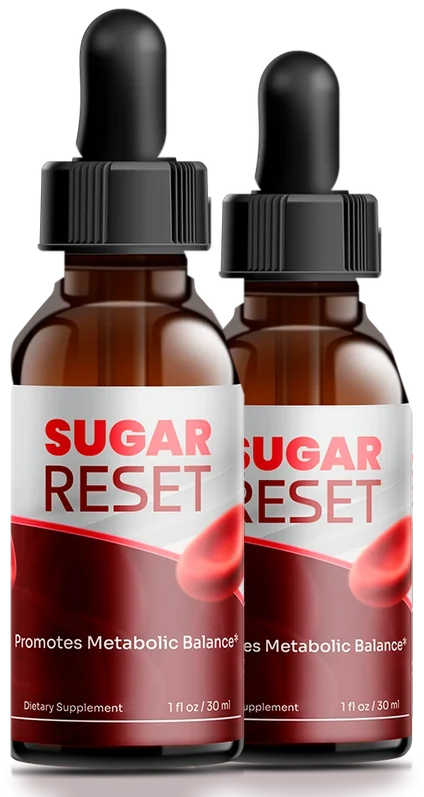
Keep the bottle out of reach of children, as the label says, and out of reach of dogs. Xylitol in the liquid is dangerous for dogs, according to the FDA, and a dropper bottle can look like a toy or a sweet to a toddler.
If a child swallows some of the liquid, call Poison Control on 1-800-222-1222 straight away. If a dog chews the bottle or licks a spill, call your vet at once. Store the bottle up high in a closed cupboard.
Who else should ask before starting?
Anyone under 18, anyone on insulin or other diabetes medicines, and anyone with a heart, blood pressure, kidney, liver, thyroid or autoimmune condition. The label asks individuals with a known medical condition to consult a physician first.
Our who it's for page sets out the full list, our safety page gathers every caution and our medicines page lists the interactions. If your doctor says no, the 60-day refund window on the sales page counts from purchase; our guarantee page explains the steps.
Frequently asked questions
Is Sugar Reset safe in the first trimester?
Do not start it without your doctor or midwife. Several ingredients carry pregnancy cautions, and the blend is unstudied.
Can Sugar Reset help with gestational diabetes?
No. Gestational diabetes needs a care plan from your doctor. Do not use a supplement to manage it.
Does Sugar Reset caffeine reach breast milk?
Caffeine passes into breast milk, according to NCCIH. The amount in the drops is not printed.
Can I take Sugar Reset while trying to get pregnant?
Ask your doctor first. The ingredients that matter in pregnancy matter from the start.
What should I do if my toddler drinks Sugar Reset?
Call Poison Control on 1-800-222-1222 straight away, and have the bottle with you.
Medical review: Dr. Andres Palacio, MD, Endocrinologist. Name and designation supplied by the site owner; not independently verified. Safety lines also cite NIH, FDA, MedlinePlus and FTC pages. How review works.
Sources
- NCCIH: Asian Ginseng. www.nccih.nih.gov
- NCCIH: Green Tea. www.nccih.nih.gov
- MedlinePlus: Maca. medlineplus.gov
- FDA: Beware of Illegally Marketed Diabetes Treatments. www.fda.gov
- FDA: Dietary Supplements: How FDA Helps Keep You Safe (May 2022). www.fda.gov
Safety: Sugar Reset Drops is a dietary supplement, not a medicine, and not a diabetes medicine. Follow your bottle's label: 1 or 2 droppers a day, with 1 ml as one serving. Never stop or change insulin or any diabetes medicine on your own; chromium, gymnema and ginseng may add to them and cause low blood sugar. The blend includes caffeine sources (guarana, green tea) and grapefruit extract, which can matter with some medicines. Green tea extract has been linked to liver injury: stop and call a doctor if you notice dark urine, yellow skin or eyes, or upper belly pain. The liquid contains xylitol, which is dangerous for dogs. Not for pregnancy, nursing or anyone under 18; ask your doctor first if you take any medicine or have a heart, blood pressure, kidney, liver or thyroid condition.
This site is an independent information site, not the manufacturer of Sugar Reset Drops. We may earn from order links on this site; order links are marked sponsored. *These statements have not been evaluated by the Food and Drug Administration. This product is not intended to diagnose, treat, cure or prevent any disease. Page updated November 26, 2026.