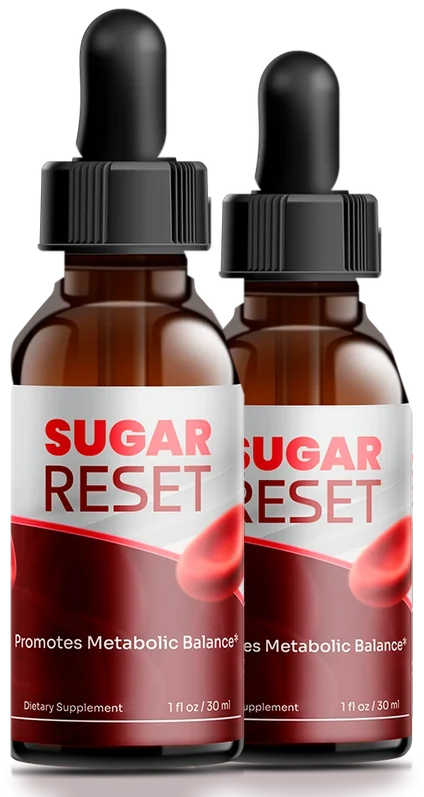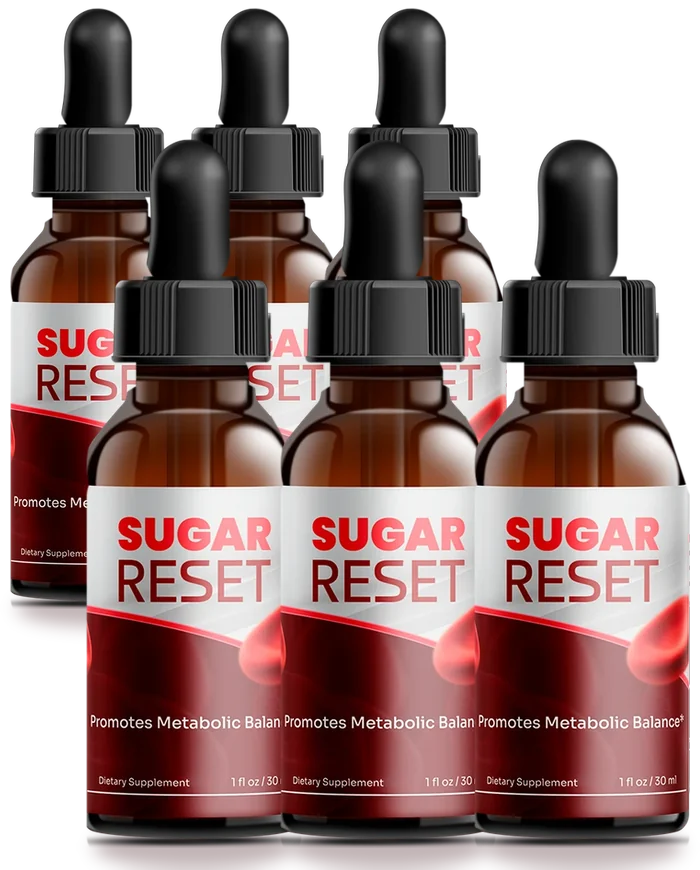
How much African mango is in Sugar Reset?
The label does not say. "African Mango (Irvingia gabonensis) Seed Extract" is the fourth of 22 ingredients in the 200 mg proprietary blend, so it is among the larger shares, but no amount or extract strength is printed.
Blends list ingredients from most to least by weight, so African mango weighs no more than maca, grape seed and guarana, and no less than the 18 ingredients after it.[1] That makes it one of the four largest shares of the blend. It is also one of the six ingredients the sales page highlights. Our blend page explains what the order can and cannot tell you.
| Fact | Detail |
|---|---|
| Label name | African Mango (Irvingia gabonensis) Seed Extract |
| Plant part | Seed |
| Position in the blend | 4th of 22 |
| Amount | Not stated |
| Evidence in our sources | A few small trials, for weight |
| Main caution | Kidney failure reported in one person with chronic kidney disease |
What is African mango?
Irvingia gabonensis is a West African tree whose fruit looks like a mango, though it is a different plant. Its seeds, sometimes called dika nuts, are used in cooking and in supplements.
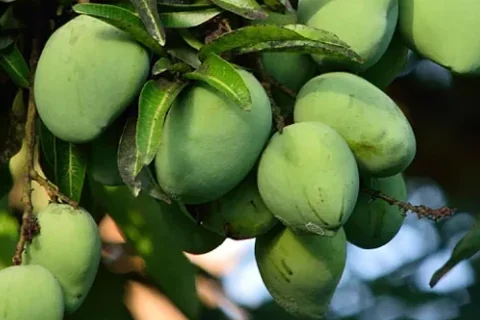
The seller's ingredient photo shows green fruit on the tree. The label lists the seed extract, which is the part used in most supplements. A photo of the fruit tells you what the tree looks like, not what is in the bottle. We use it only for that.
What does the research say?
Very little, and it is about weight, not blood sugar. NIH's fact sheet on weight-loss supplements says only a few small human trials exist, with possible modest reductions in weight and waist size.[2]
The fact sheet does not describe African mango as a blood sugar ingredient, and none of the other sources we cite does either. NCCIH's page on diabetes supplements does not discuss it. So its place in a blood sugar product rests on marketing, not on the evidence we can cite. Our evidence page compares it with the other ingredients.
What side effects are listed?
NIH's fact sheet lists headache, poor sleep and gas as mild effects reported in trials. It also reports that one patient with chronic kidney disease developed kidney failure.
That single case is not proof that African mango harms the kidneys, but it is a reason for people with kidney disease to ask a doctor first. NCCIH's page on diabetes supplements adds a general warning: some supplements have side effects, kidney damage can be serious, and people who have or are at risk for kidney disease should have their supplement use monitored closely.[3] Many people with diabetes also have kidney disease, which makes this caution more relevant for a blood sugar product.
- Headache.
- Poor sleep.
- Gas.
- Kidney failure in one person with chronic kidney disease.
Why does the kidney caution matter for people with diabetes?
Because diabetes is a common cause of kidney disease, and people with kidney disease handle many substances differently. A product sold for blood sugar will often reach people whose kidneys are already under strain.
NCCIH advises that people with or at risk for kidney disease have their supplement use monitored closely. In this blend, African mango is not the only ingredient with a kidney link: the licorice compound has been linked to severe effects in people with kidney conditions, and coleus should be avoided with polycystic kidney disease. If you have kidney disease, ask your doctor before you start. Our blood pressure page covers the kidney-related cautions together.
| Ingredient | Kidney note in our sources |
|---|---|
| African mango | Kidney failure in one person with chronic kidney disease |
| Licorice compound | Severe effects in people with kidney conditions, even in small amounts |
| Coleus forskohlii | Avoid with polycystic kidney disease |
| Chromium | Large doses linked to rare kidney problems |
Does African mango affect blood sugar?
None of the sources we cite shows that it does. The NIH fact sheet discusses it for weight and waist size only.
The sales page includes it among its blood sugar and weight ingredients. We do not repeat those claims. If you take a diabetes medicine, African mango is not one of the ingredients flagged for adding to it in our sources; chromium, gymnema and ginseng are. But because nobody has tested this blend, ask your care team about the whole product, not one ingredient.
Does African mango help with weight?
The NIH fact sheet describes possible modest reductions in weight and waist size in a few small trials, which is weak evidence. The label makes no weight claim.
Small trials of a single ingredient at a known dose do not tell you what an unknown share of a 22-item blend will do. The FTC says health claims need competent and reliable scientific evidence, and a few small trials fall short of that for a combination product.[4] If weight is your goal, your doctor can suggest approaches with real evidence.
Can African mango interact with medicines?
The sources we cite do not list specific medicine interactions for African mango. That is not the same as having none; it means the research is limited.
Because it is one of the larger shares of the blend, mention it to your pharmacist along with the rest of the label. If you take medicines for diabetes, blood pressure or kidney disease, the pharmacist can check the whole blend. Our medicines page lists the interactions the sources do flag.
Why is African mango so high on the label?
We cannot know the maker's reasons. Its fourth place means it is one of the four largest shares of the 200 mg blend, ahead of green tea, gymnema and ginseng, the ingredients more often linked with blood sugar.
That order is worth noticing. A blend built mainly around blood sugar would be expected to list its blood sugar ingredients first. This one lists maca, grape seed, guarana and African mango first, which reads more like a general energy and weight mix. The sales page highlights African mango among its six, but neither the label nor our sources tie it to blood sugar. Our ingredients page shows the full order, and our maca page explains what the first ingredient is. Reading the first four items on any blend is a quick way to see what a product is mostly made of, whatever its name suggests.
| First four in the blend | Main association in our sources |
|---|---|
| Maca root | Food plant; side effects not reported (MSK) |
| Grape seed | Not covered by our sources |
| Guarana seed | Caffeine |
| African mango seed | Weight, in a few small trials |
How do the weight trials compare with this product?
The trials the NIH fact sheet describes used African mango on its own, at known doses, usually for weeks to a few months. This product has an unknown share of African mango alongside 21 other ingredients.
That makes the trials a poor guide. Even if a trial found a modest effect, you cannot know whether a dropper of this liquid contains anything like the dose tested. And any effect you notice could come from the caffeine in guarana and green tea or from a change in your routine. The honest summary is that African mango's evidence is thin, its dose here is unknown, and it is not a blood sugar ingredient in our sources.
What should I ask before I take it?
Ask your doctor whether your kidneys are healthy enough for a product with African mango and a licorice compound, and ask your pharmacist to check the whole label against your medicines.
If you have diabetes, ask about chromium, gymnema and ginseng too, and about checking your blood sugar if you try the drops. If you have no medical conditions and take no medicines, the bigger cautions in this blend are the caffeine and the green tea extract. Our safety page gathers every caution.
Who should be careful with African mango?
Anyone with kidney disease or at risk of it, which includes many people with diabetes or high blood pressure; anyone pregnant or breastfeeding, for whom our sources give no safety information; and anyone under 18.
The label asks pregnant or nursing mothers, children under 18 and anyone with a known medical condition to consult a physician first. For African mango, kidney health is the condition to mention. Our who it's for page sets out the full list.
Is African mango the same as ordinary mango?
No. The common mango is Mangifera indica; African mango is Irvingia gabonensis, a different tree. The label gives the Latin name, which confirms which plant is meant.
That matters if you have a food allergy. An allergy to ordinary mango does not tell you whether you will react to Irvingia, and vice versa. The label gives no allergen statement. If you have a fruit, seed or nut allergy, ask your doctor and the seller before you start, and stop at once if you notice itching, swelling or a rash.
Frequently asked questions
Is African mango in Sugar Reset there for weight?
It is common in weight products. NIH finds only a few small trials with possible modest effects.
Can Sugar Reset African mango harm the kidneys?
NIH reports kidney failure in one person with chronic kidney disease. Ask your doctor if you have kidney disease.
Does African mango in Sugar Reset lower blood sugar?
None of our sources shows that it does.
How much African mango is in Sugar Reset?
The label does not say. It is fourth of 22 in the 200 mg blend.
Is the Sugar Reset African mango from the fruit?
The label lists the seed extract. The seller's photo shows the fruit on the tree.
Medical review: Dr. Andres Palacio, MD, Endocrinologist. Name and designation supplied by the site owner; not independently verified. Safety lines also cite NIH, FDA, MedlinePlus and FTC pages. How review works.
Sources
- FDA: Dietary Supplement Labeling Guide: Chapter IV, Nutrition Labeling. www.fda.gov
- NIH Office of Dietary Supplements: Dietary Supplements for Weight Loss (health professional fact sheet). ods.od.nih.gov
- NCCIH: Diabetes and Dietary Supplements. www.nccih.nih.gov
- FTC: Health Products Compliance Guidance. www.ftc.gov
Safety: Sugar Reset Drops is a dietary supplement, not a medicine, and not a diabetes medicine. Follow your bottle's label: 1 or 2 droppers a day, with 1 ml as one serving. Never stop or change insulin or any diabetes medicine on your own; chromium, gymnema and ginseng may add to them and cause low blood sugar. The blend includes caffeine sources (guarana, green tea) and grapefruit extract, which can matter with some medicines. Green tea extract has been linked to liver injury: stop and call a doctor if you notice dark urine, yellow skin or eyes, or upper belly pain. The liquid contains xylitol, which is dangerous for dogs. Not for pregnancy, nursing or anyone under 18; ask your doctor first if you take any medicine or have a heart, blood pressure, kidney, liver or thyroid condition.
This site is an independent information site, not the manufacturer of Sugar Reset Drops. We may earn from order links on this site; order links are marked sponsored. *These statements have not been evaluated by the Food and Drug Administration. This product is not intended to diagnose, treat, cure or prevent any disease. Page updated November 26, 2026.