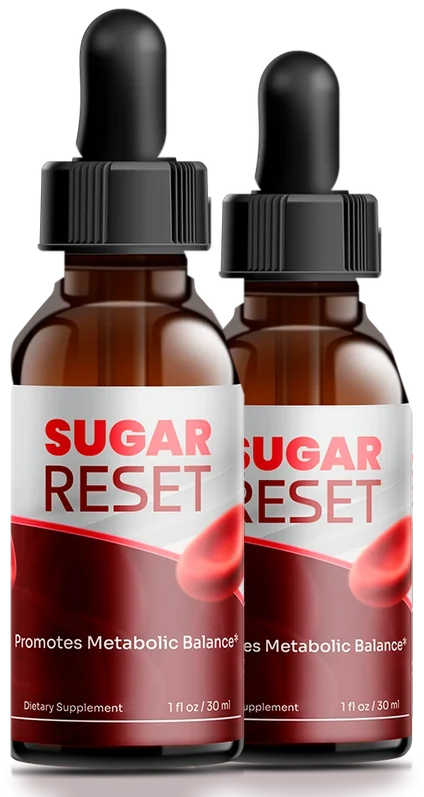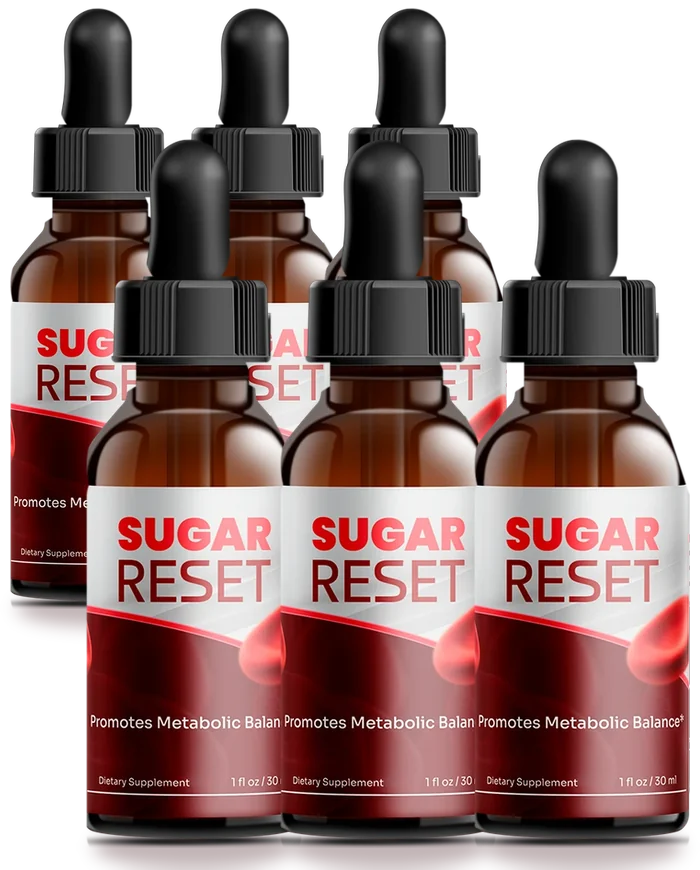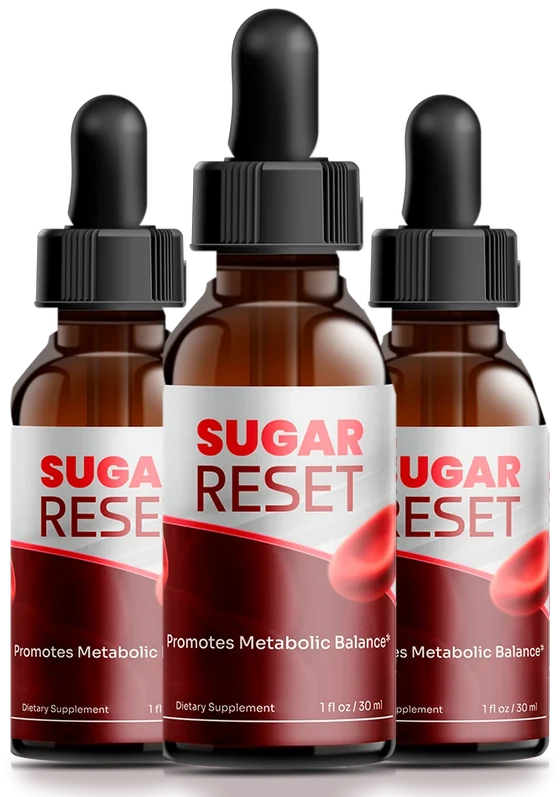
How much maca is in Sugar Reset?
The label does not say. "Maca (Lepidium meyenii) Root Extract" is the first of 22 ingredients in the 200 mg proprietary blend, which means it is the largest share by weight, but no amount or extract strength is printed.
Federal labeling rules require a blend's ingredients to be listed from most to least by weight.[1] So maca weighs at least as much as each of the other 21. It could be most of the 200 mg or only a little more than grape seed, second on the list; nothing on the label says which. Maca is one of the six ingredients the sales page highlights, but the sales page does not mention that it leads the blend.
| Fact | Detail |
|---|---|
| Label name | Maca (Lepidium meyenii) Root Extract |
| Plant | A root vegetable in the cabbage family, from the Andes |
| Plant part | Root |
| Position in the blend | 1st of 22, the largest share |
| Amount | Not stated |
| Side effects | Not reported (MSK) |
What is maca?
Maca, Lepidium meyenii, is a plant in the cabbage family that grows high in the Andes and is used as food and medicine in Peru, according to Memorial Sloan Kettering.[2] It is sometimes called Peruvian ginseng, though it is not related to ginseng.
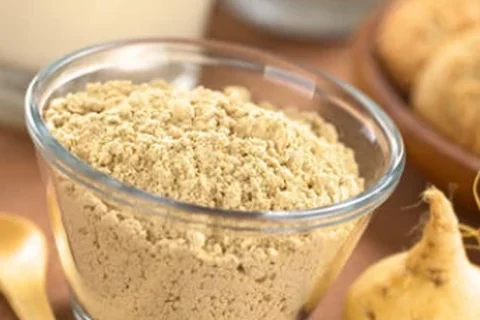
As a food, maca root is dried and ground into a powder. Supplements use the powder or an extract. The seller's ingredient photo shows a tan powder in a bowl beside a whole root, which is consistent with maca. The label lists a root extract, which is more concentrated than the powder in the photo.
Why does it matter that maca is first?
Because it tells you what the blend is mostly made of. Whatever the name on the bottle suggests, the largest single share of the 200 mg is a root best known as a food and a traditional tonic, not a blood sugar ingredient.
The next three ingredients are grape seed, guarana and African mango. The ingredients most often linked with blood sugar in our sources, chromium, gymnema and ginseng, are outside the blend or further down the list. That order is the clearest fact the label gives about the blend's make-up. Our blend page explains what the order can and cannot tell you.
- Maca root extract.
- Grape seed extract.
- Guarana seed extract.
- African mango seed extract.
What does the research say about maca?
Not much that applies here. Memorial Sloan Kettering says maca is used to improve energy and strength and for other purposes that doctors have not studied to see if they work, and that animal studies suggest effects on endurance, sexual function and memory.
None of our sources shows maca helping blood sugar. NCCIH's page on diabetes supplements does not discuss it. So the largest ingredient in a product sold for blood sugar has no blood sugar evidence in the sources we cite. Our evidence page compares the ingredients.
Is maca safe?
Memorial Sloan Kettering says side effects of maca have not been reported. MedlinePlus says it is not known whether maca interacts with any medicines and advises talking with a health professional first if you take medicines.[3]
Maca has a long history as a food, which is some reassurance. But an extract is not the same as food amounts, and the amount here is unknown. MedlinePlus advises people with any condition that might be made worse by estrogen not to use maca extracts. If you have a hormone-sensitive condition, ask your doctor before you start.
Is maca safe in pregnancy?
MedlinePlus says there is not enough reliable information to know whether maca is safe to use when pregnant or breastfeeding, and advises staying on the safe side and sticking to food amounts.
The label asks pregnant or nursing mothers to consult a physician, and several other ingredients in the blend have pregnancy cautions, including Panax ginseng and the caffeine sources. Do not start the drops while pregnant or breastfeeding without your doctor. Our pregnancy page lists each caution.
| Question | What our sources say |
|---|---|
| Pregnancy | Not enough reliable information; stick to food amounts |
| Breastfeeding | Not enough reliable information; stick to food amounts |
| Estrogen-sensitive conditions | Avoid extracts (MedlinePlus) |
| Medicine interactions | Not known (MedlinePlus) |
| Lab tests | May interfere with some hormone tests (MSK) |
Can maca affect lab tests?
Possibly. Memorial Sloan Kettering says maca may interfere with lab tests that measure a male sex hormone, and advises telling your healthcare provider if you took maca before your labs.
If you are having hormone tests, tell your doctor that you take a product whose largest ingredient is maca. The blend also lists eleuthero, which can falsely raise digoxin blood tests, according to MSK. Telling whoever orders your tests about every supplement you take helps them read the results correctly.
Can maca interact with medicines?
MedlinePlus says it is not known whether maca interacts with any medicines. That is not the same as being safe with all of them; it means the research has not been done.
Because maca is the largest share of the blend, mention it to your pharmacist with the rest of the label. The interactions the sources do flag in this blend come from other ingredients: chromium, gymnema and ginseng for diabetes medicines; grapefruit and green tea for some statins; eleuthero for digoxin; tryptophan and tyrosine for mood medicines. Our medicines page lists them.
Does maca contain caffeine?
No, maca is not a caffeine source in our sources. The caffeine in this blend comes from guarana, third on the list, and green tea extract, seventh.
Maca is sometimes marketed for energy, which can be confused with caffeine. If you notice feeling more alert after a dose, the caffeine sources are the more likely reason. Our caffeine page explains how to count your daily total.
How much maca might a dropper hold?
Nobody can say from the label. If maca were half of the blend, a 1 ml dropper would hold 100 mg; if it were a tenth, 20 mg. Both fit the rule that it must weigh at least as much as each ingredient after it.
Maca eaten as food is usually measured in grams, and supplements often contain several hundred milligrams. Any amount up to 200 mg per serving is small by those standards. That suggests maca is unlikely to cause problems for most people at this dose, and equally unlikely to do much. The certificate of analysis the seller's notes mention would give the real figure; ask the seller for it if it matters to you.
| If maca were | A 1 ml dropper would hold | Two droppers |
|---|---|---|
| Half the blend | 100 mg | 200 mg |
| A quarter of the blend | 50 mg | 100 mg |
| A tenth of the blend | 20 mg | 40 mg |
Why do blood sugar products include maca?
We cannot know the maker's reasons. Maca is marketed for energy and stamina, which fits the "metabolic balance" wording on the label more than any blood sugar claim.
That makes the product's name and its largest ingredient point in different directions. "Sugar Reset" suggests blood sugar; maca suggests a general tonic. Reading the label in order is the best way to see past the name. Our how it is meant to work page explains the idea behind each ingredient group.
Is maca a stimulant?
No. Maca is not a caffeine source and is not described as a stimulant in our sources, even though it is marketed for energy.
If you want to avoid stimulants, maca is not the problem in this blend; guarana and green tea are. Some people choose maca products precisely because they want something without caffeine. This product is not that: it combines maca with two caffeine sources. Our green tea extract page explains the other caffeine source.
What does the maca photo tell me?
It shows a tan powder in a glass bowl beside a whole root, which looks like maca. A photo cannot confirm a species, and it shows powder, while the label lists an extract.
Extracts are made by soaking the plant in a solvent and concentrating what dissolves, so they can differ a great deal from the dried powder. The label does not say which solvent or how concentrated the extract is. We use the photo only to show what the plant looks like. If you want to know more about the extract, ask the seller for its specification.
Who should be careful with maca?
Anyone with a hormone-sensitive condition, anyone pregnant or breastfeeding, anyone having hormone tests, and anyone taking several medicines should ask first. The label asks anyone with a known medical condition to consult a physician.
For most healthy adults, maca is one of the less worrying ingredients in this blend, with a long food history and no reported side effects. The bigger cautions on this label come from the caffeine, the green tea extract and the ingredients that interact with medicines. Our safety page gathers them.
Frequently asked questions
Is maca the main ingredient in Sugar Reset?
By weight, yes. It is listed first in the blend, which means it is the largest share.
Does maca in Sugar Reset help blood sugar?
None of our sources shows that it does.
Is Sugar Reset maca safe while breastfeeding?
MedlinePlus says there is not enough reliable information. Ask your doctor.
Can Sugar Reset maca affect my lab results?
MSK says maca may interfere with some hormone tests. Tell your doctor before your labs.
Is the maca in Sugar Reset raw or cooked?
The label lists a root extract and does not say how it was processed.
Medical review: Dr. Andres Palacio, MD, Endocrinologist. Name and designation supplied by the site owner; not independently verified. Safety lines also cite NIH, FDA, MedlinePlus and FTC pages. How review works.
Sources
- FDA: Dietary Supplement Labeling Guide: Chapter IV, Nutrition Labeling. www.fda.gov
- Memorial Sloan Kettering: Maca. www.mskcc.org
- MedlinePlus: Maca. medlineplus.gov
Safety: Sugar Reset Drops is a dietary supplement, not a medicine, and not a diabetes medicine. Follow your bottle's label: 1 or 2 droppers a day, with 1 ml as one serving. Never stop or change insulin or any diabetes medicine on your own; chromium, gymnema and ginseng may add to them and cause low blood sugar. The blend includes caffeine sources (guarana, green tea) and grapefruit extract, which can matter with some medicines. Green tea extract has been linked to liver injury: stop and call a doctor if you notice dark urine, yellow skin or eyes, or upper belly pain. The liquid contains xylitol, which is dangerous for dogs. Not for pregnancy, nursing or anyone under 18; ask your doctor first if you take any medicine or have a heart, blood pressure, kidney, liver or thyroid condition.
This site is an independent information site, not the manufacturer of Sugar Reset Drops. We may earn from order links on this site; order links are marked sponsored. *These statements have not been evaluated by the Food and Drug Administration. This product is not intended to diagnose, treat, cure or prevent any disease. Page updated November 26, 2026.