How is Sugar Reset meant to work?
The label does not say. The sales page links the drops to blood sugar, insulin and weight, and the ingredients fall into a few groups, each with its own idea behind it. For none of those ideas do the sources we cite show that this blend works.
It helps to separate three things: what an ingredient is thought to do in the body, what studies in people have shown, and whether the amount in this bottle could matter. For most ingredients here, the first is a theory, the second is weak or missing, and the third is unknown because the label prints only chromium's amount. NCCIH says most evidence for supplements in type 2 diabetes is weak or inconsistent, and the studies are often small.[1]
| Ingredient group | The idea behind it | What our sources show |
|---|---|---|
| Chromium | A trace mineral involved in how the body uses glucose | Mixed results; not recommended for diabetes by the ADA |
| Gymnema, Panax ginseng | Plants traditionally used for high blood sugar | Ginseng inconclusive; gymnema not shown |
| Guarana, green tea | Caffeine and tea compounds | Caffeine effects; small weight effects only |
| African mango, raspberry ketones, coleus, capsicum | Common weight-product ingredients | Little or mixed evidence |
| Amino acids | Building blocks of protein and brain chemicals | Not shown for blood sugar in our sources |
| Maca, grape seed, eleuthero, astragalus | Traditional tonic plants | Not shown for blood sugar in our sources |
- 1Shake the bottlethe label says so before each use
- 21 or 2 droppers1 ml is one serving
- 3Swallowthe label says place in mouth and swallow
- 415 to 30 days a bottledepends on your dose
What is the idea behind chromium?
Chromium is a trace mineral once thought necessary for the body to use glucose well, which is why it appears in blood sugar products. NIH's Office of Dietary Supplements says scientists no longer think chromium is necessary for good health, and that deficiency has not been reported in healthy people.[2]
Studies of chromium supplements for blood sugar in type 2 diabetes have had mixed results, according to the same fact sheet, and the American Diabetes Association does not recommend them. NCCIH mentions a 2022 review suggesting chromium may improve some measures. This label prints 0.7 mcg, 2% of the Daily Value, below the adult adequate intakes of 20 to 35 mcg. Our chromium page explains the numbers.
What is the idea behind gymnema and ginseng?
Both are plants with traditional uses for high blood sugar. Gymnema's Hindi name, gurmar, is often translated as "sugar destroyer"; ginseng has a long history in Asian medicine.
NCCIH says ginseng may lower blood sugar and that a 2022 review found improvements in fasting glucose in people with prediabetes or diabetes, but that the overall evidence is inconclusive and conflicting.[3] The label lists ginseng's aerial extract, from leaves and stems, not the root most studies used. For gymnema, none of our sources shows a benefit; LiverTox describes rare, weakly linked liver reports. Both are a reason for caution if you take a diabetes medicine.
What is the idea behind the caffeine sources?
Caffeine is a stimulant; it makes many people feel more alert. Guarana and green tea are in many energy and weight products for that reason, and green tea also contains compounds called catechins.
NIH's fact sheet on weight-loss supplements says caffeine may have a modest effect on weight in short-term trials, mostly of combination products, and that green tea catechins may have a small effect.[4] Neither is shown in our sources to help blood sugar. What caffeine does reliably is cause caffeine effects: jitters, a fast heartbeat and poor sleep in some people, and, for people on diabetes medicines, feelings that can be mistaken for a low.
What is the idea behind the weight ingredients?
African mango, raspberry ketones, coleus forskohlii and capsicum are common in weight products. The idea is that they affect appetite, fat or metabolism.
The NIH fact sheet finds the evidence thin: a few small African mango trials with possible modest effects on weight and waist size; raspberry ketones studied only with other ingredients; very limited human evidence for coleus, with one trial showing no effect; and capsicum reducing appetite in studies but not weight. The label makes no weight claim; the sales page does. Our African mango page and blend page cover these.
- African mango: few small trials.
- Raspberry ketones: not well studied.
- Coleus: very limited evidence.
- Capsicum: appetite, not weight.
What is the idea behind the amino acids?
The blend lists eight amino acids and related compounds: L-glutamine, L-tyrosine, L-arginine, beta-alanine, GABA, L-ornithine, L-tryptophan and L-carnitine. They are common in sports and mood products.
None of the sources we cite shows them helping blood sugar. Several carry cautions: L-tryptophan was linked to a 1989 illness outbreak and can add to serotonin medicines, according to MedlinePlus; tyrosine matters for thyroid and MAO inhibitor medicines, according to Mount Sinai. They sit at the end of the blend, so their shares are the smallest.
What is the idea behind maca, grape seed, eleuthero and astragalus?
These are traditional tonic plants, often described as helping the body cope with stress or fatigue. Maca is listed first in the blend, so it is the largest share; grape seed is second.
None of our sources shows any of them helping blood sugar. Memorial Sloan Kettering says side effects of maca have not been reported; MedlinePlus says its pregnancy safety is unknown. Eleuthero can affect digoxin, and astragalus should be avoided in autoimmune disease, according to the sources. Our maca page explains why the first ingredient matters.
Does the sublingual idea change anything?
We found no evidence that it does, and the label does not claim it. The label says "place in mouth and swallow".
Some sales copy suggests holding the drops under the tongue for faster absorption. Even if that changed absorption for some compounds, it would not show that the dose works or is safe. We follow the label. Our how to take it page explains the directions.
Could the ingredients work together?
Possibly, in theory, and nobody has tested it. A blend can be designed so that ingredients add to each other, but without a study of the blend at the label dose, any combined effect is a guess.
The combination does make one thing more likely: several small effects in the same direction. Chromium, gymnema and ginseng may each lower blood sugar a little. In a person on insulin, small effects can add up to a low. That is why the combination is a reason for caution, not a reason for confidence.
Why does the amount matter so much?
Because an ingredient that works at 500 mg may do nothing at 5 mg, and an ingredient that is safe at 5 mg may not be at 500 mg. The label gives only the blend's total of 200 mg for 22 items.
Federal rules allow a proprietary blend to show only its total weight, as long as the ingredients are listed in order of weight.[5] That keeps the formula private but leaves buyers and pharmacists guessing. The seller's notes say a certificate of analysis exists for the batch; ask for it in writing.
| What you would need | What the label gives |
|---|---|
| Amount of each ingredient | Only chromium |
| Form and strength of each extract | Not stated |
| Studies of the blend | None we found |
| Caffeine per serving | Not stated |
What does "metabolic balance" mean here?
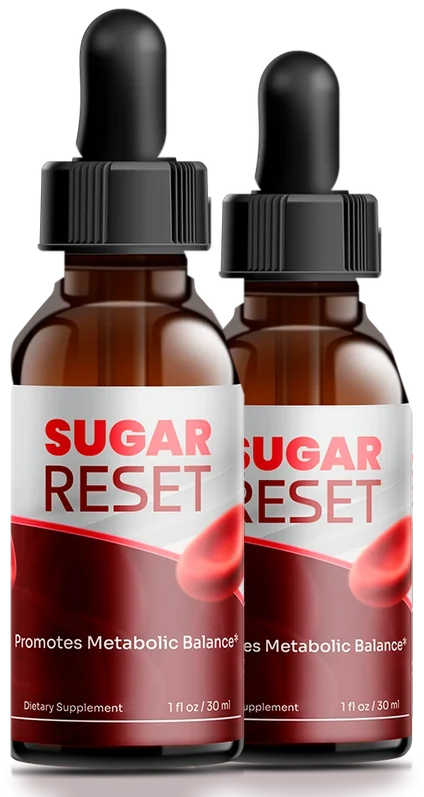
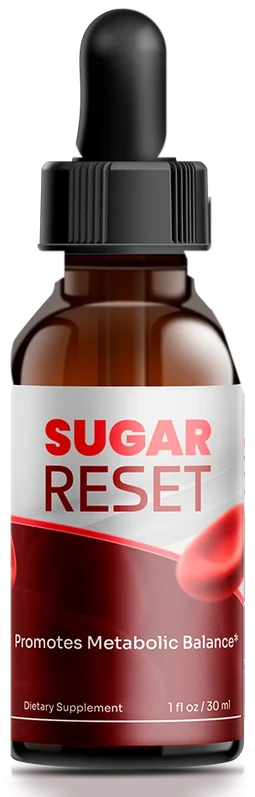
The label does not define it. "Promotes Metabolic Balance*" is general wording with the FDA asterisk, which means the FDA has not evaluated it and the product is not intended for any disease.
Metabolism covers everything the body does to turn food into energy and building blocks, so "balance" could mean almost anything. That is common on supplement labels, because a broad phrase can sound helpful without naming a measure that anyone could test. The FDA says structure or function claims must carry the disclaimer and may not claim to deal with a disease.[6] The specific blood sugar, insulin and weight claims come from the sales page, not the bottle.
Why are there so many ingredients?
We cannot know the maker's reasons. Long ingredient lists are common in blends because they suggest a product covers many angles, and a proprietary blend lets a maker list many items without printing amounts.
A long list does not mean a stronger product. With 22 items sharing 200 mg, many are likely present in small amounts. What a long list does mean is more chances for an interaction or a reaction, and more questions for a pharmacist. Our ingredients page lists all 23 with what the sources say.
What does this mean for me?
It means you should judge the drops by their cautions rather than their promises. They may do nothing you can notice, and the evidence does not support the sales claims.
If you have diabetes, keep your care plan and medicines, and ask your care team before you start. If you are healthy, read the cautions, start at one dropper, keep your caffeine steady and set a date to decide. Our evidence page lists each ingredient with its source, and our safety page gathers every caution.
Frequently asked questions
Does Sugar Reset work like metformin?
No evidence suggests it does, and it must never replace metformin or any prescribed medicine.
Which Sugar Reset ingredient is supposed to do the most?
The sales page highlights chromium, gymnema and green tea. On the label, maca is listed first, which means the largest share by weight.
Does Sugar Reset affect insulin?
The sales page says so; the bottle does not, and our sources do not show it for this blend.
Is the caffeine in Sugar Reset part of how it works?
It is likely what some people notice first. Caffeine is not shown in our sources to help blood sugar.
Why does Sugar Reset contain amino acids?
The label does not say why. None of our sources shows them helping blood sugar.
Medical review: Dr. Andres Palacio, MD, Endocrinologist. Name and designation supplied by the site owner; not independently verified. Safety lines also cite NIH, FDA, MedlinePlus and FTC pages. How review works.
Sources
- NCCIH: Diabetes and Dietary Supplements. www.nccih.nih.gov
- NIH Office of Dietary Supplements: Chromium: Fact Sheet for Consumers. ods.od.nih.gov
- NCCIH: Asian Ginseng. www.nccih.nih.gov
- NIH Office of Dietary Supplements: Dietary Supplements for Weight Loss (health professional fact sheet). ods.od.nih.gov
- FDA: Dietary Supplement Labeling Guide: Chapter IV, Nutrition Labeling. www.fda.gov
- FDA: Structure/Function Claims. www.fda.gov
Safety: Sugar Reset Drops is a dietary supplement, not a medicine, and not a diabetes medicine. Follow your bottle's label: 1 or 2 droppers a day, with 1 ml as one serving. Never stop or change insulin or any diabetes medicine on your own; chromium, gymnema and ginseng may add to them and cause low blood sugar. The blend includes caffeine sources (guarana, green tea) and grapefruit extract, which can matter with some medicines. Green tea extract has been linked to liver injury: stop and call a doctor if you notice dark urine, yellow skin or eyes, or upper belly pain. The liquid contains xylitol, which is dangerous for dogs. Not for pregnancy, nursing or anyone under 18; ask your doctor first if you take any medicine or have a heart, blood pressure, kidney, liver or thyroid condition.
This site is an independent information site, not the manufacturer of Sugar Reset Drops. We may earn from order links on this site; order links are marked sponsored. *These statements have not been evaluated by the Food and Drug Administration. This product is not intended to diagnose, treat, cure or prevent any disease. Page updated November 26, 2026.